2026 Empower & Equip Survey Results of Churches of Christ in Rural Areas and Small Towns
Abstract
Following the analysis of data from the National Survey of Churches of Christ and the Ministers’ Salary Survey, we found a need to learn more about churches in rural areas and small towns. Specifically, we are interested in how Churches of Christ engage with their local communities and the levels of thriving within those communities.
To gather this information, we designed a survey specifically for churches in rural areas and small towns. In November 2025, we launched an electronic survey and emailed it to a list of just under 1,000 Churches of Christ. We also included a link to the survey in the Siburt Institute for Church Ministry's monthly newsletter and posted it on their social media accounts. In late December, we added a mailed questionnaire option to our data collection. We sent paper surveys to 974 Churches of Christ. In total, we received responses from 192 individuals; of those, 152 surveys were complete and included in the analyses reported here.
Unless otherwise noted, the total number of congregations is 152 for all charts and graphs.
Article
The survey was completed by an elder/shepherd, minister, knowledgeable member, deacon, or other staff member. Half of the surveys were completed by a minister, with another 22% completed by an elder/shepherd, 16% completed by a member, 9% by staff member, and 3% by a deacon.
Of the 152 congregations included in the analysis, just under one-third (32%) are located in rural areas, and two-thirds (68%) are in small towns (Figure 2). Given the geographic distribution of Churches of Christ in the United States, it is not surprising that the states with the most respondents are Texas (33) and Tennessee (15). Responses were received from congregations in 33 states (Figure 3).
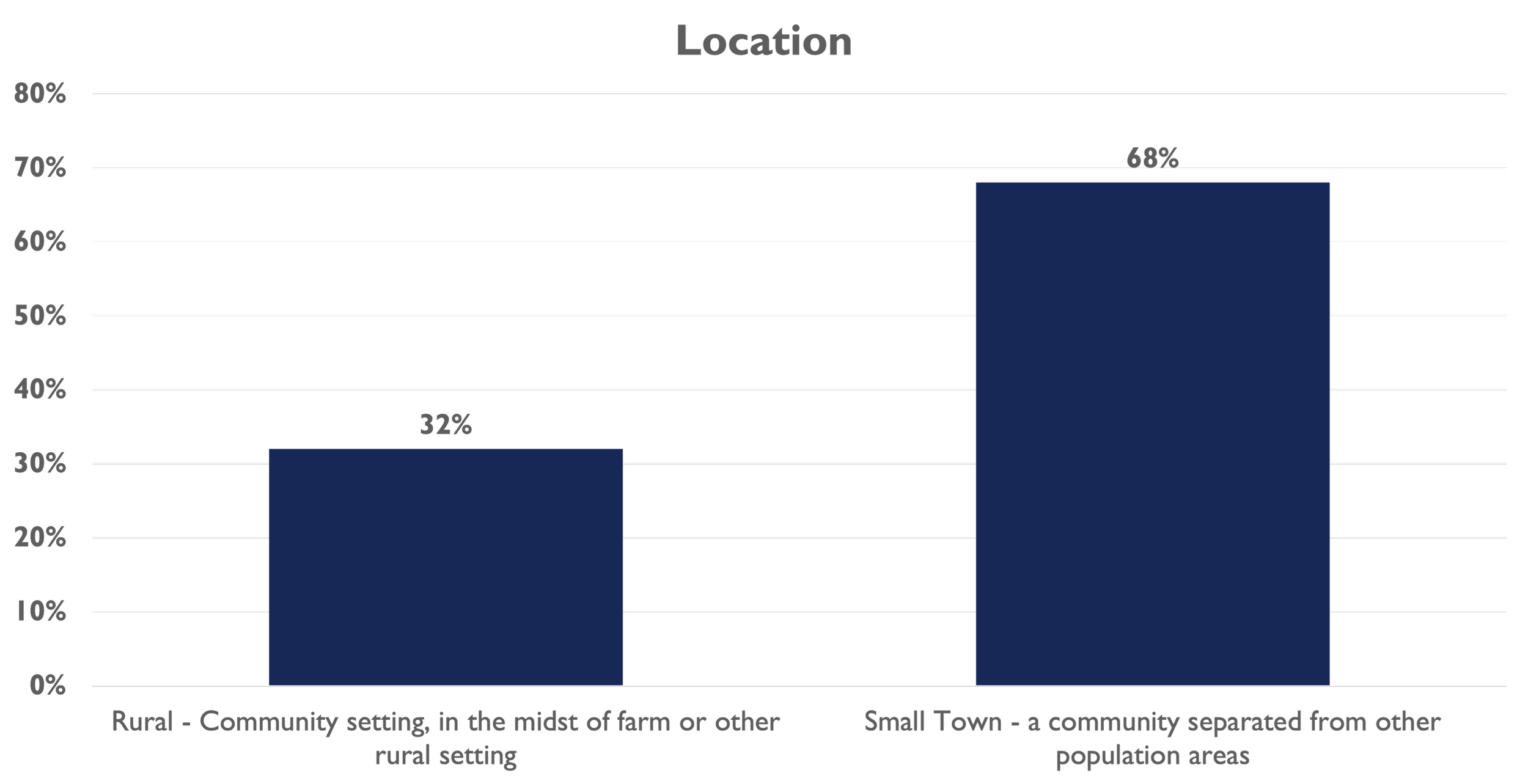
Figure 2: Church Location: Rural or Small Town
The distribution of Churches of Christ across the United States is shown in the map below. In total, we received responses from 47 states, with Texas and Tennessee having the highest number of churches.
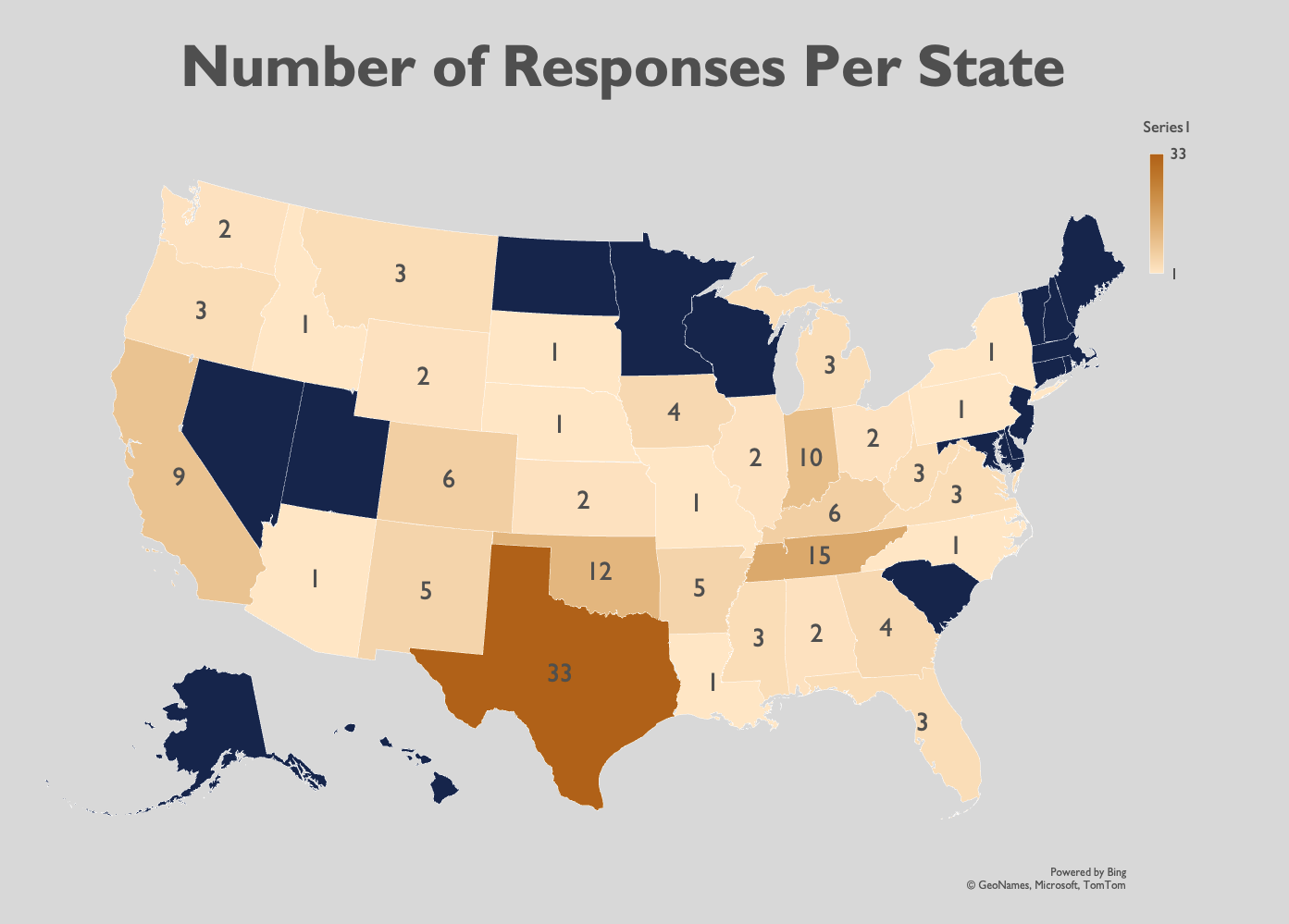
Figure 3: Responses Per State
While not the only measure of a thriving, healthy congregation, church attendance is a helpful indicator. We asked respondents to estimate their average weekly attendance both today and in 2015. This measure can also help us understand the pandemic’s impact on church attendance. However, it’s also useful to know whether the area where the church is located is in decline, to provide a better context for average attendance. In Figure 4 below the dark blue represents today’s attendance, while the orange shows the average attendance from 2015. The median church attendance today is 36-50, while the median attendance in 2015 was 51-75. You can see that a higher percentage of congregations report average attendance below 26 today than in 2015 (31% compared to 21%). Now, this simple count of congregations does not tell us about the growth and decline within specific congregations. To do that, we create a measure that looks at each congregation and compares its 2015 average attendance response to its response today. Measured this way, we find that 44% of congregations experienced a decline in attendance, 32% saw no decline, and 24% experienced growth in their average attendance.
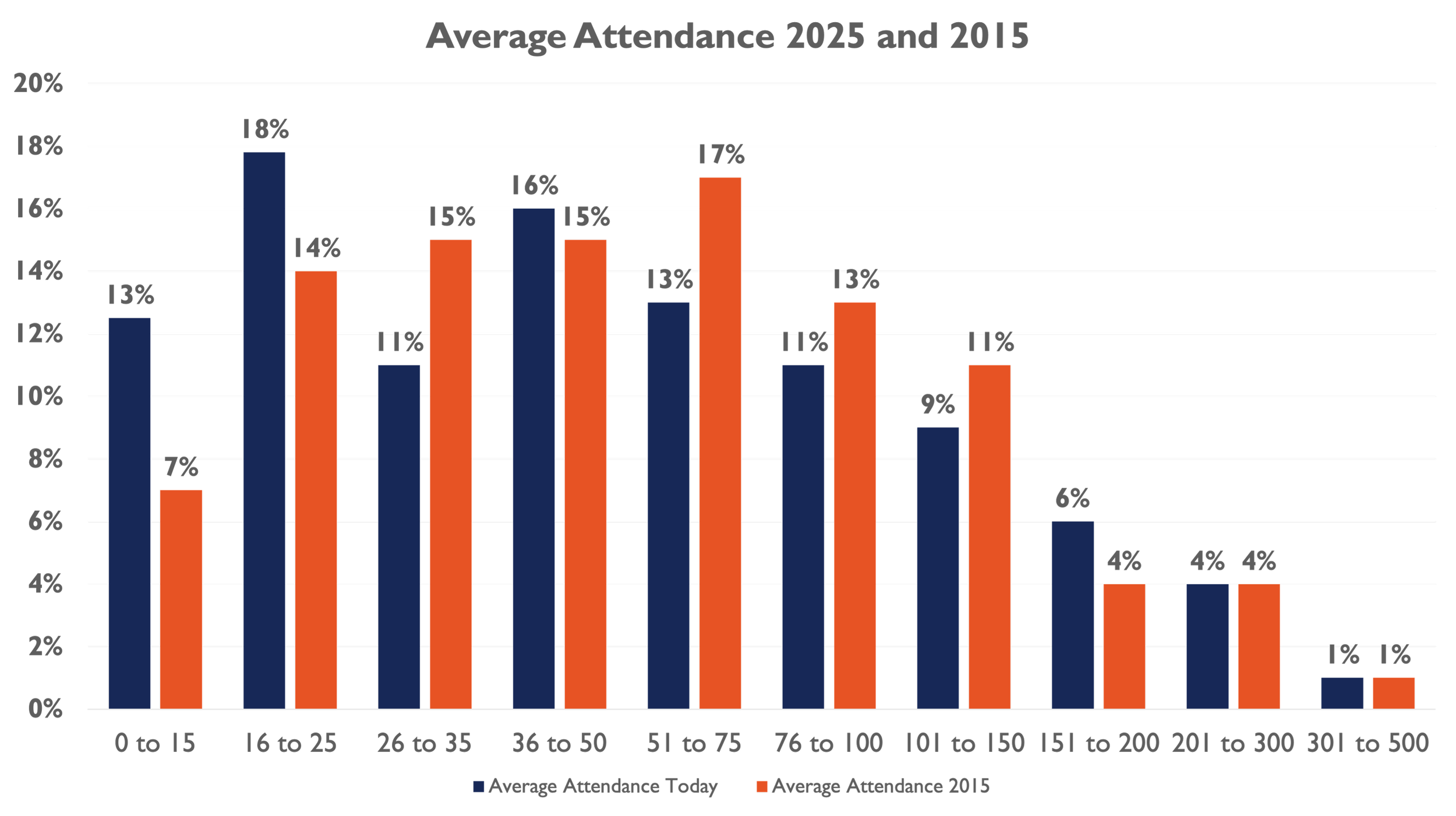
Figure 4: Average Weekly Attendance
One of the stories that we often hear about rural areas and small towns is that they are in decline, and we were interested in how that might impact Churches of Christ in those areas. When we asked respondents about the area where their church is located, only 31% reported that their community is experiencing population growth. Interestingly, the average attendance growth/decline across all three categories is declining, and at a higher rate in communities experiencing population decline, but the relationship is not statistically significant.
We then looked at church growth and decline in comparison with the area’s population growth and decline. Churches that experienced growth were more likely to be located in areas where the population either remained the same or grew. Overall, 31% of churches are in areas that saw only 17% population growth.
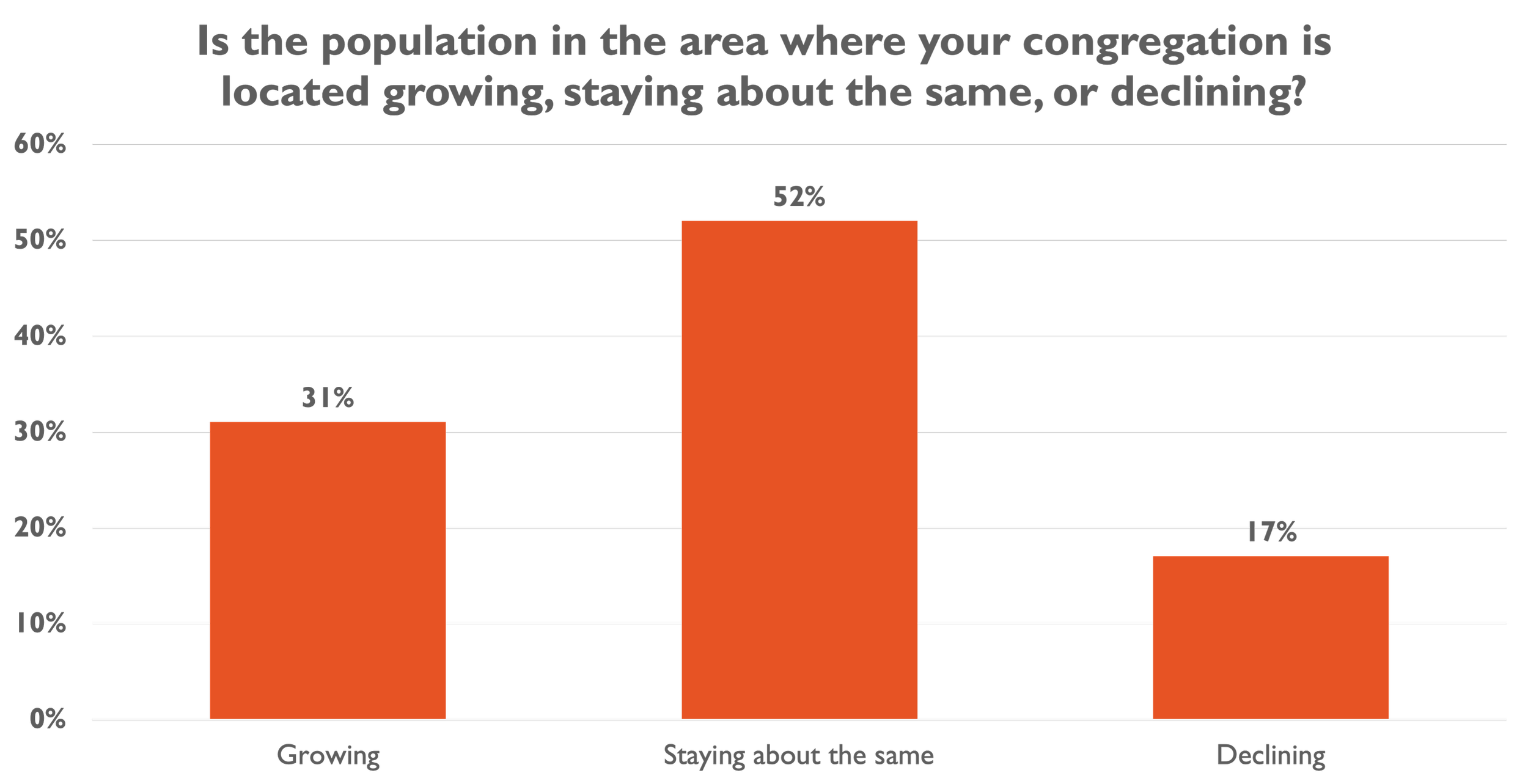
Figure 5: Local Population Growth or Decline
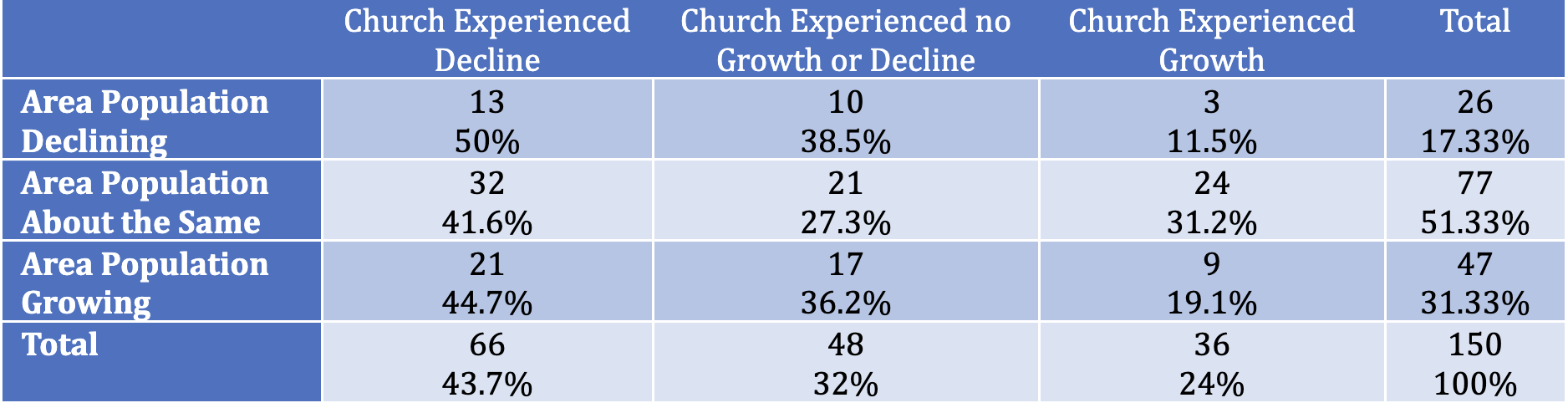
Figure 6: Church Growth by Area Population Growth
Another indicator of the potential for future church growth is the aging of the congregation's members. We asked, “Thinking about the ages of the people in your congregation, would you say that the average age is older, younger, or about the same age as it was 10 years ago?” We found that nearly half (48%) of congregations are older than they were 10 years ago. When comparing church growth or decline to the congregation’s aging, we find a strong correlation (Pearson’s r = 0.501), which is statistically significant at the 0.01 level. That means that there is a relationship between an aging congregation and a decline in average attendance.
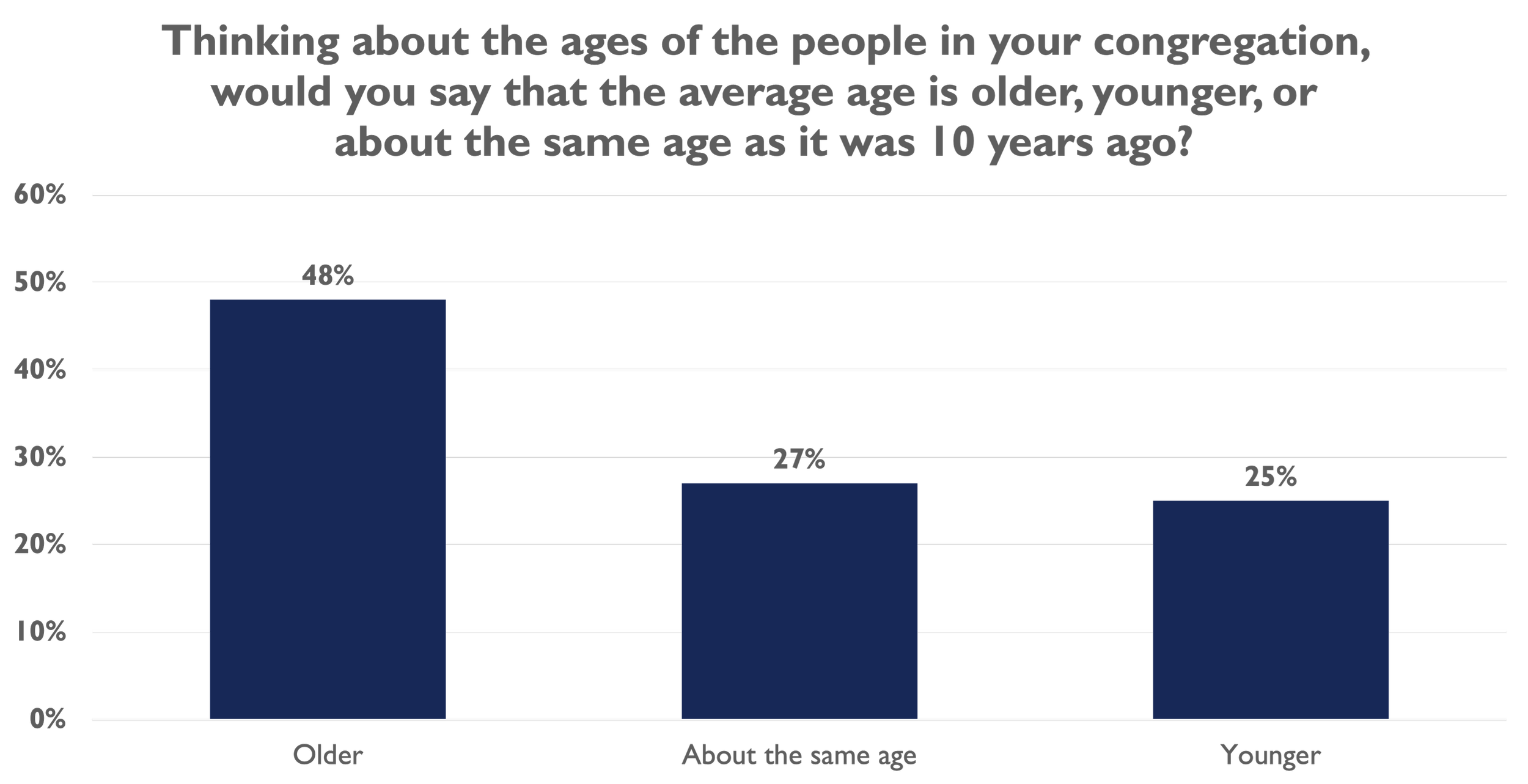
Figure 7: Member Age Compared to 10 Years Ago
As mentioned above, church growth and decline are just one indicator of congregational thriving and church health. Other factors in church health include leadership, living out the congregation's mission and vision, programs and activities, budget, relationships, congregational culture, and worship. While we didn’t conduct a complete assessment of church health, we asked questions in each of these areas as a measure of it. The first question asked whether the leadership team works well together.
We define the leadership team as a group “which may include elders/shepherds, ministry staff, and other formal leaders that are involved in decision making.” 91% of respondents somewhat agree or strongly agree that their leadership team works well together. However, respondents are slightly less likely to agree that the leadership team is adequately equipped to serve the ministerial/pastoral needs of the congregation, with 46% somewhat agreeing and 38% strongly agreeing.
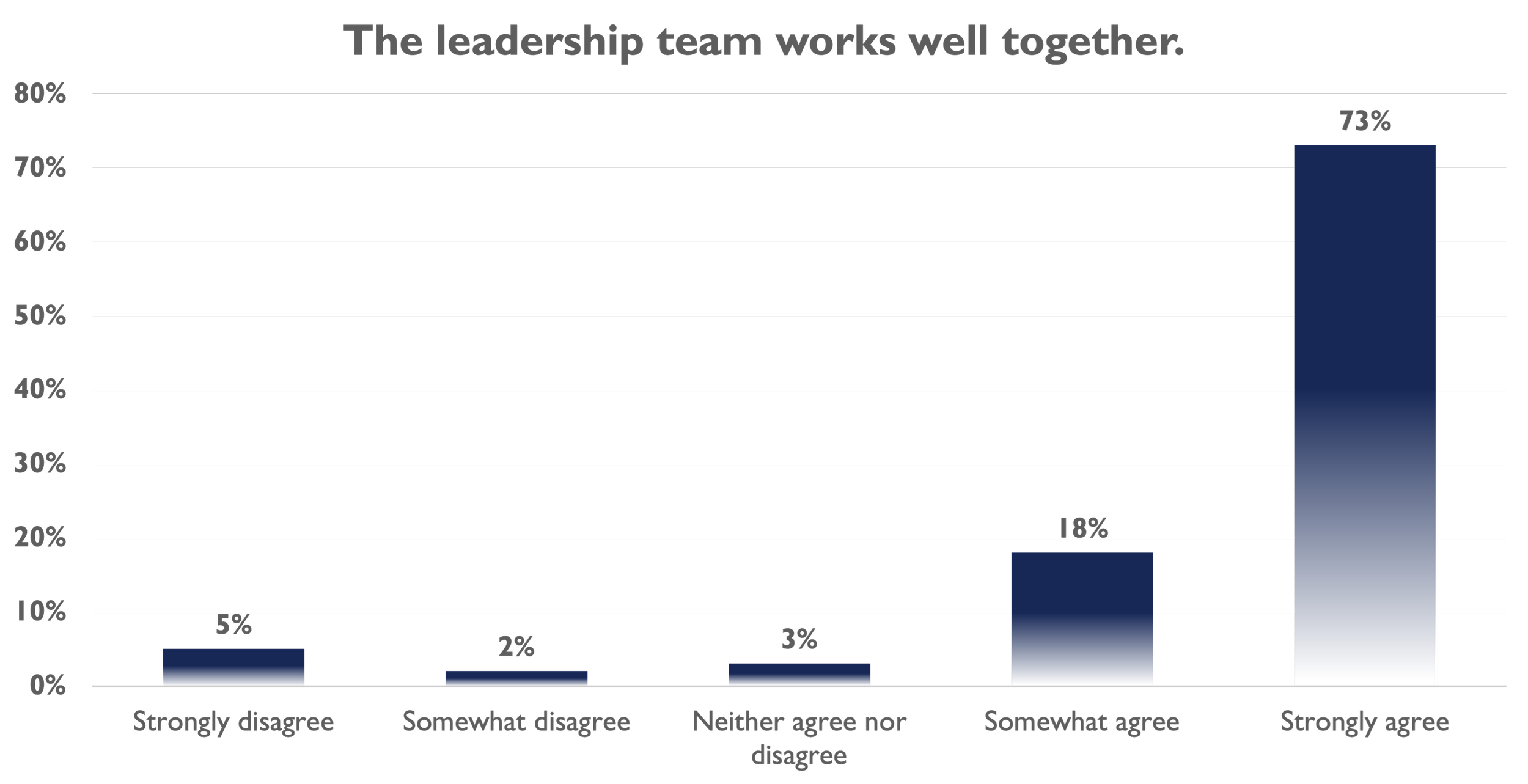
Figure 8: Leadership Team Works Well Together
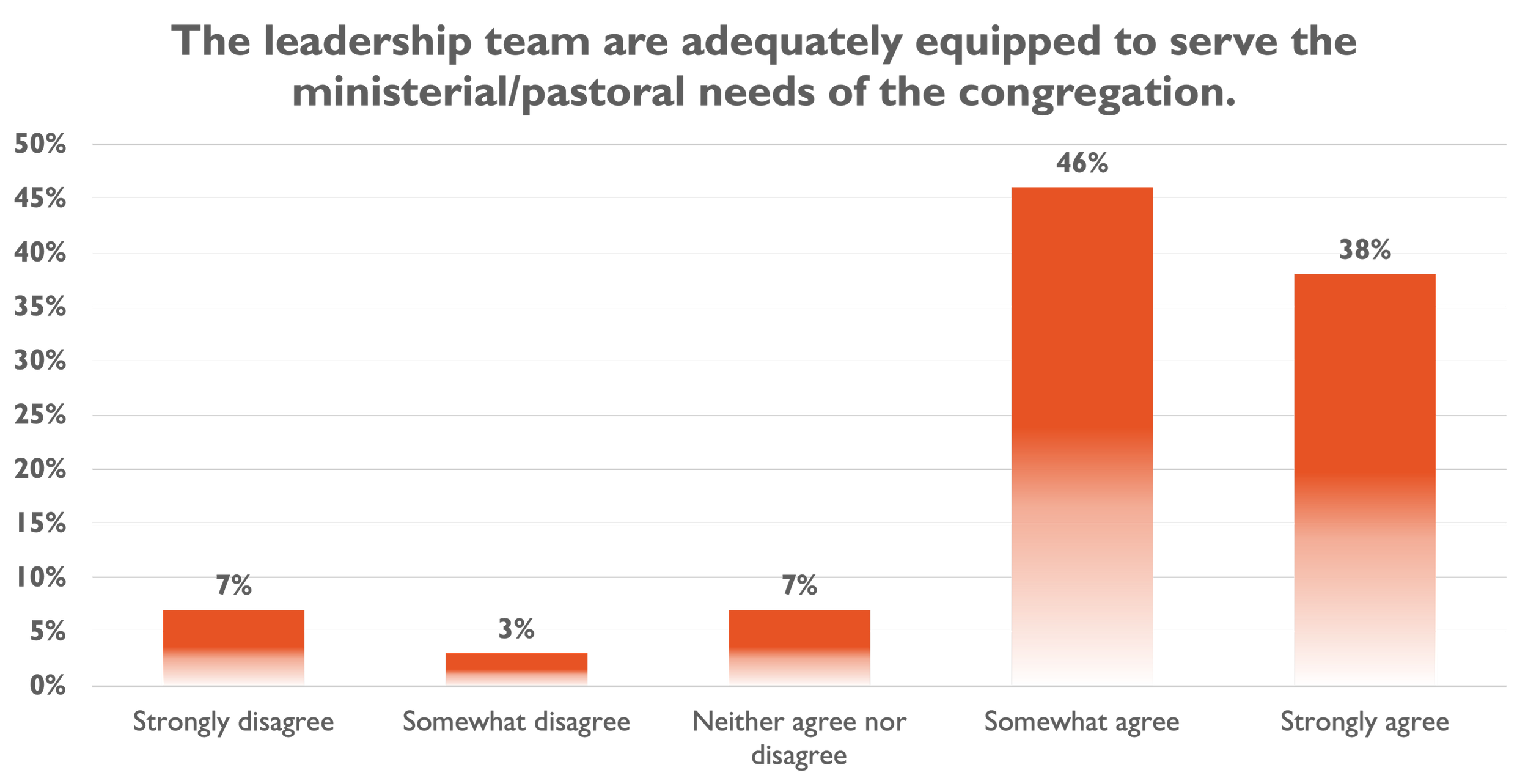
Figure 9: Leadership Team Adequately Equipped to Serve
Another aspect of thriving is the congregation's overall morale. The results are shown in Figure 10. You can see that 85% of respondents somewhat agree and or strongly agree that morale is high in their congregation at this time.
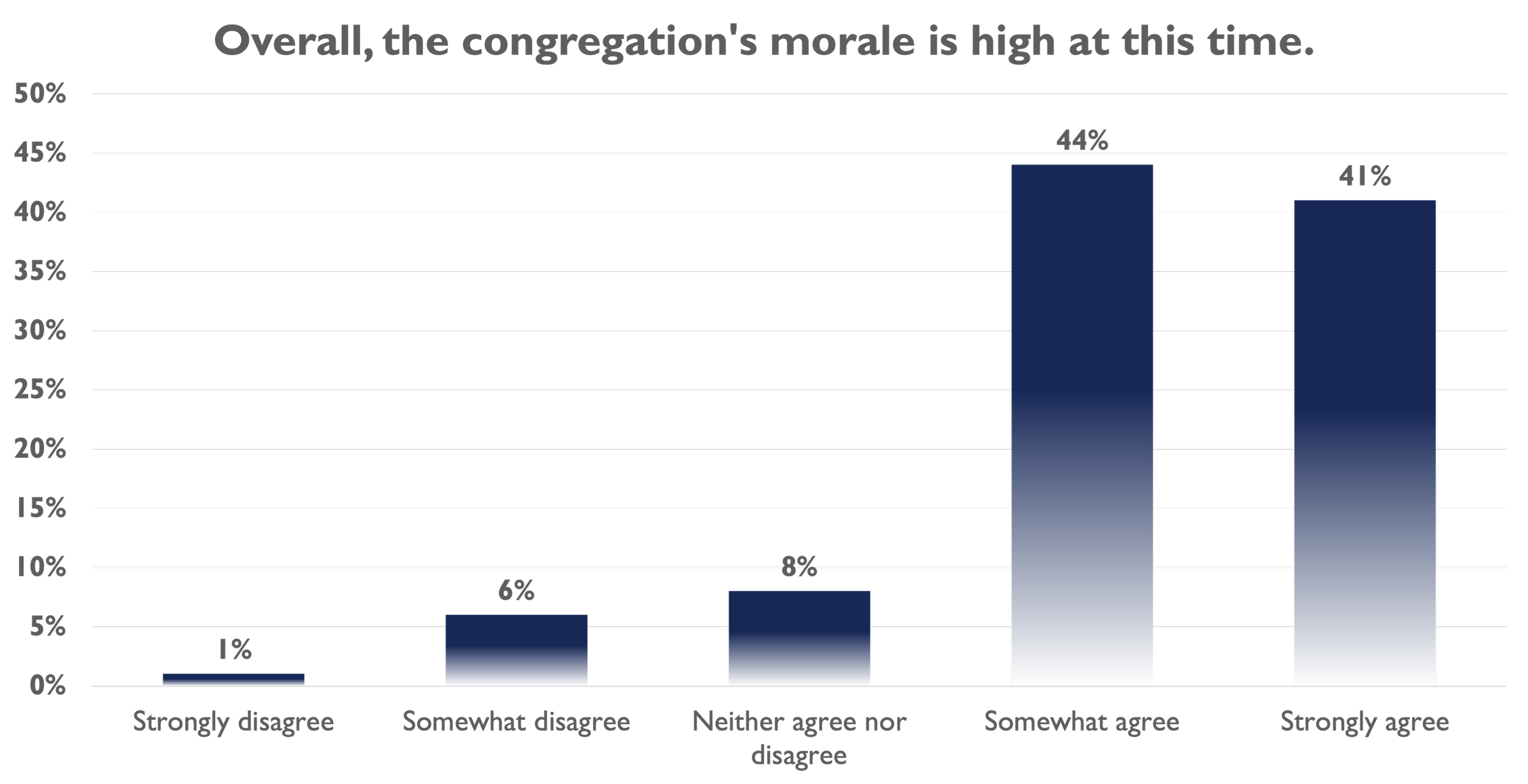
Figure 10: Congregational Morale
Similar to the high morale we saw above, Figure 11 shows that 95% of respondents somewhat or strongly agree that “the members of this church are clearly committed to the well-being of the congregation.”
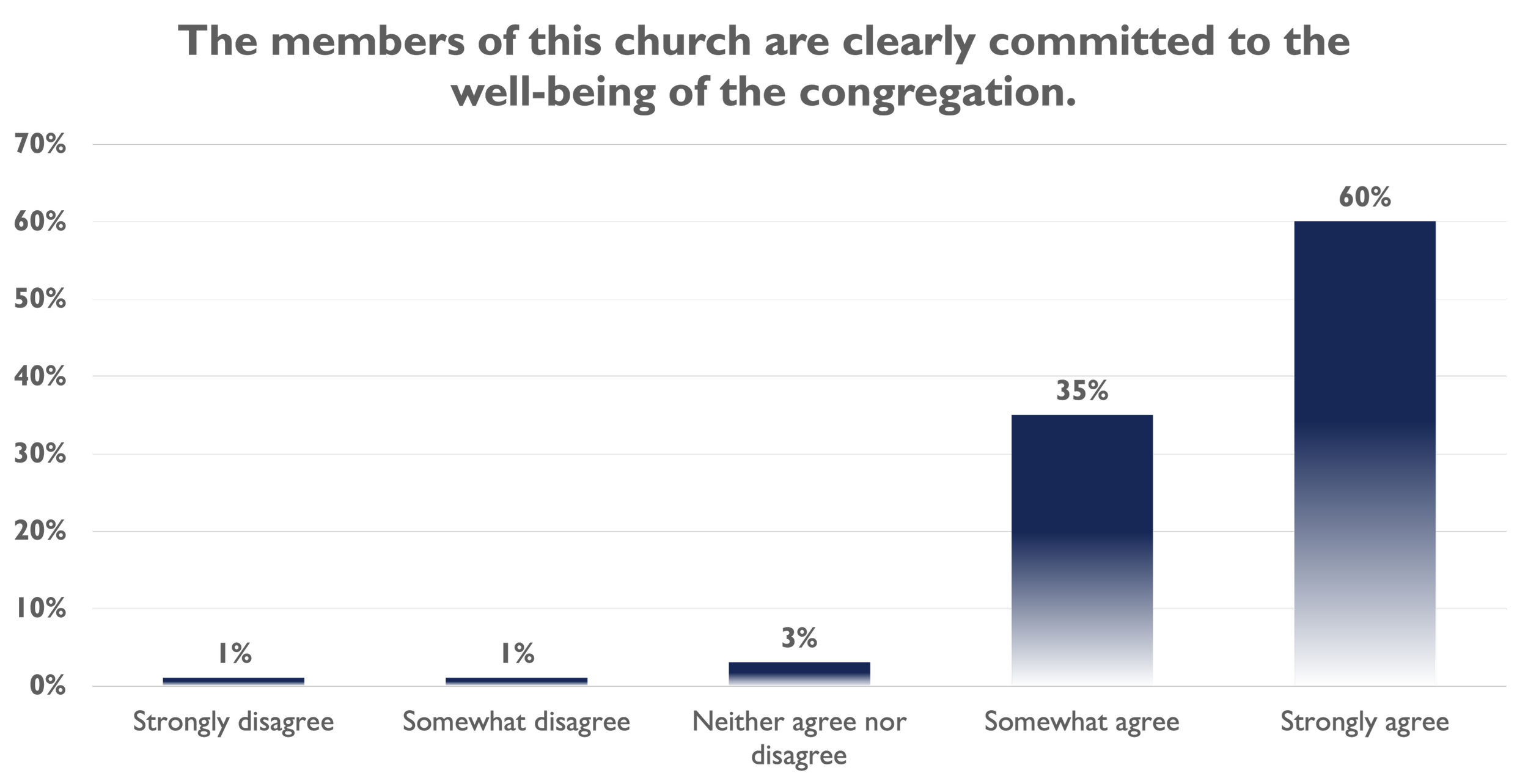
Figure 11: Member Commitment to Congregational Well-being
Conflict can be a sign of a struggling church, depending on how it is handled. Figure 12 shows that respondents report their congregations are not hindered by conflict (91% somewhat or strongly agree). 80% of respondents agree that “when conflict arises in the congregation, our leaders are effective at handling it,” as shown in Figure 13.
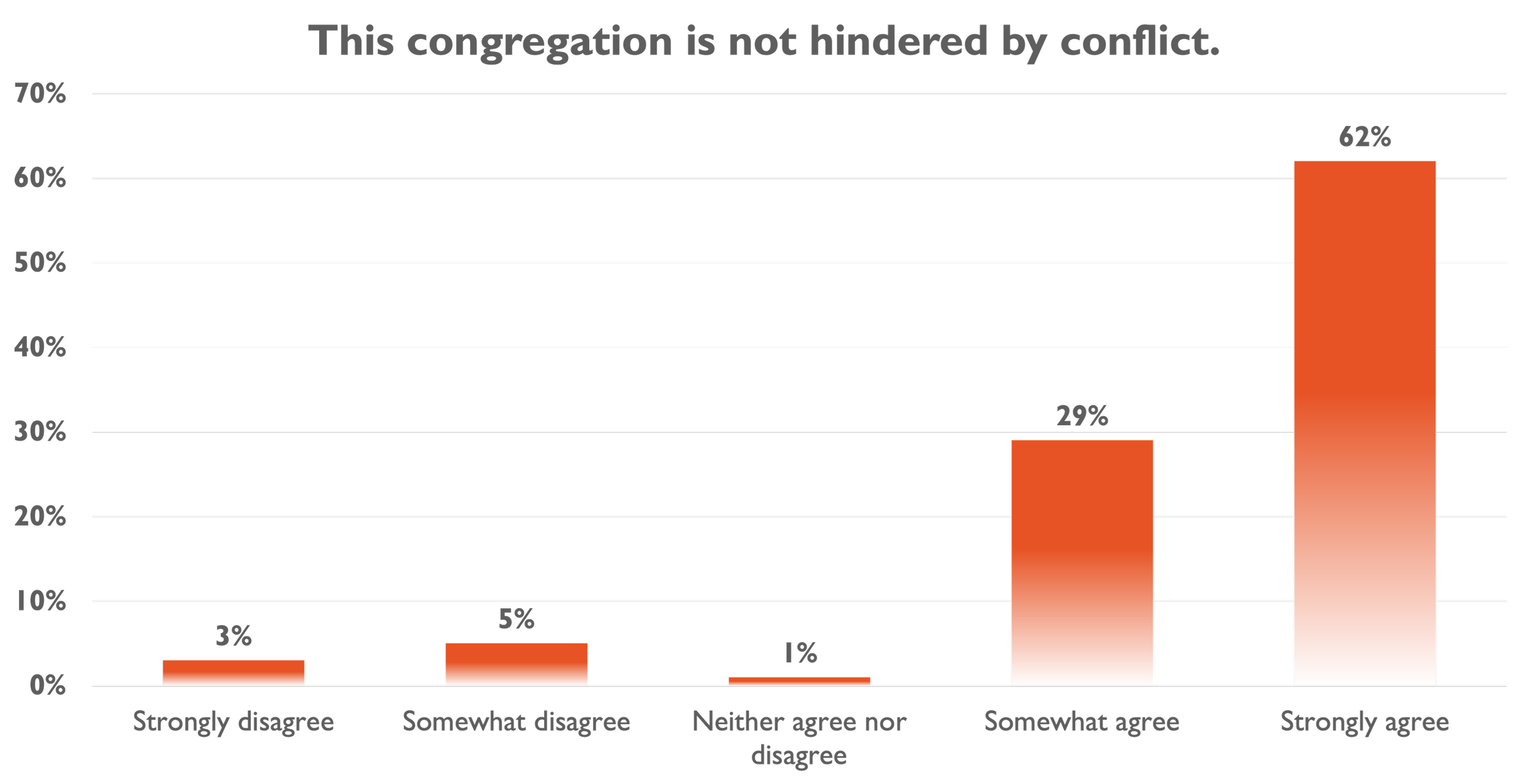
Figure 12: Hindered by Conflict
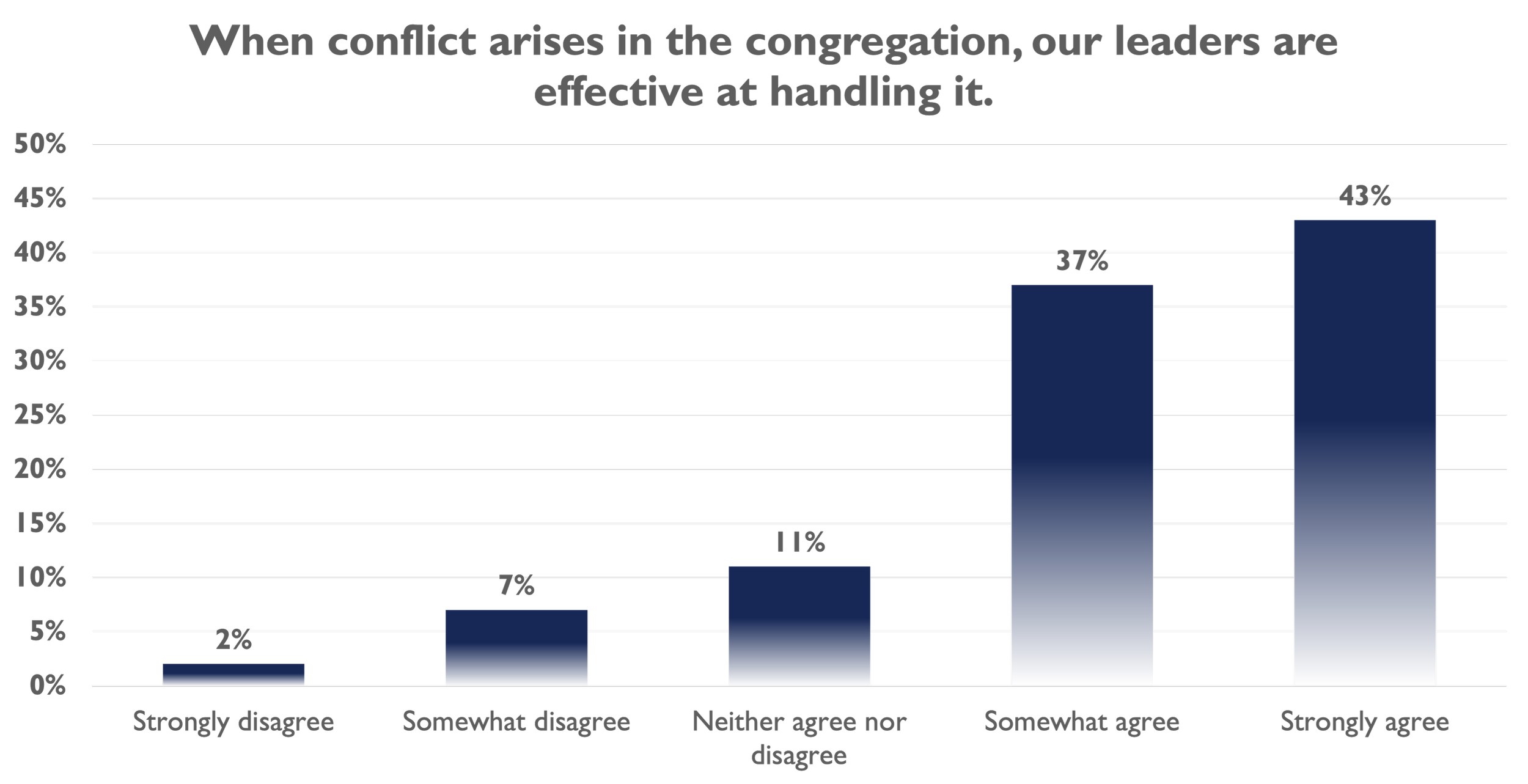
Figure 13: Leaders Effectively Handle Conflict
One of the areas of emphasis for the Empower & Equip Initiative is the connection between the local congregation and its community, so we asked several questions about the church's and its members' roles in the community's life. 85% of respondents somewhat or strongly agree that members' commitment to the community's well-being is evident (Figure 14).
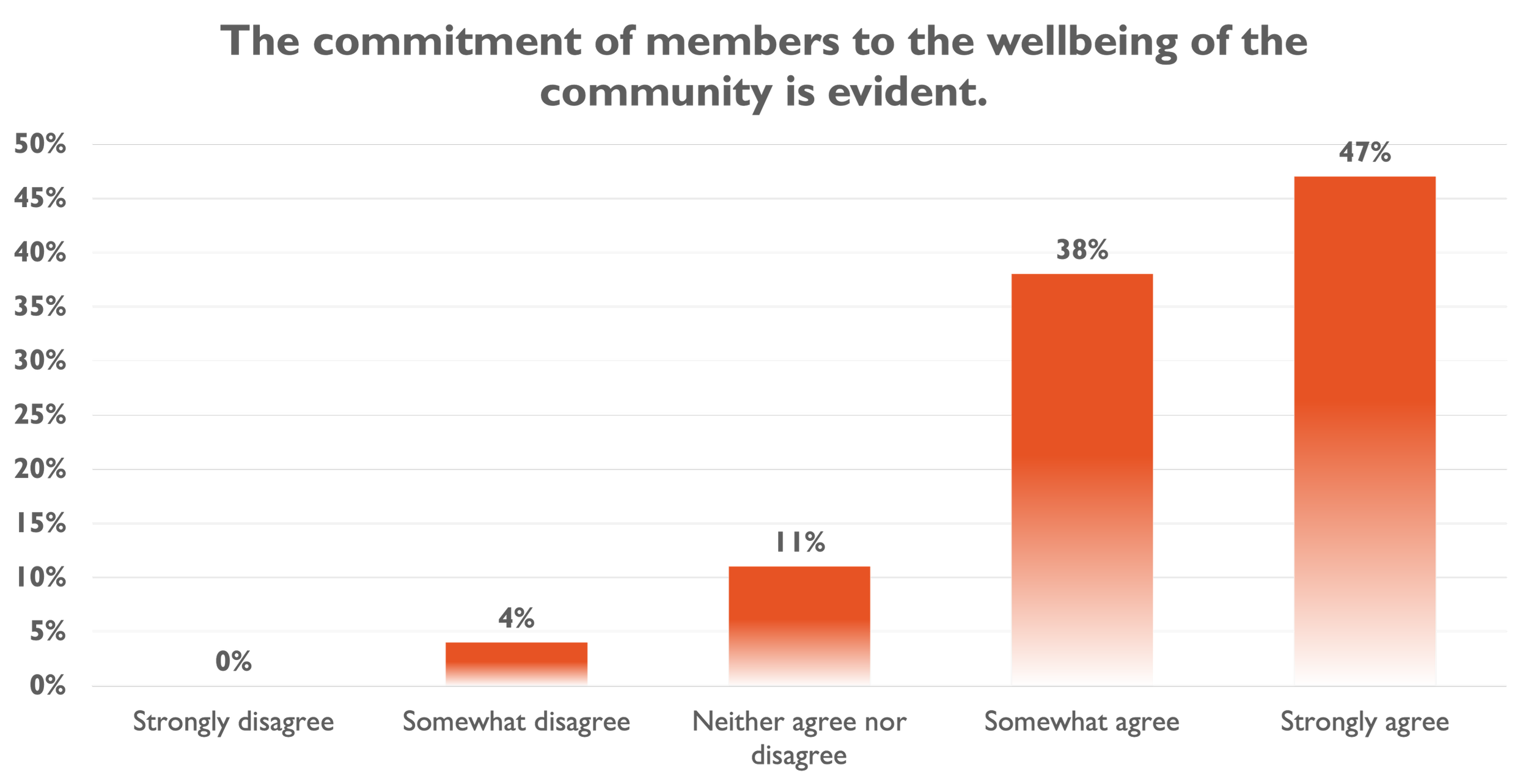
Figure 14: Member Commitment to Community
When members are committed to the well-being of the community, their programs reflect that commitment. So, we asked congregations about the balance of their programs and ministries. We asked how strongly they agree with the statement, “The programs and ministries strike a good balance between serving our members and the larger community.” Figure 15 shows the responses. 29% of respondents strongly agreed with the statement, and 43% somewhat agreed.
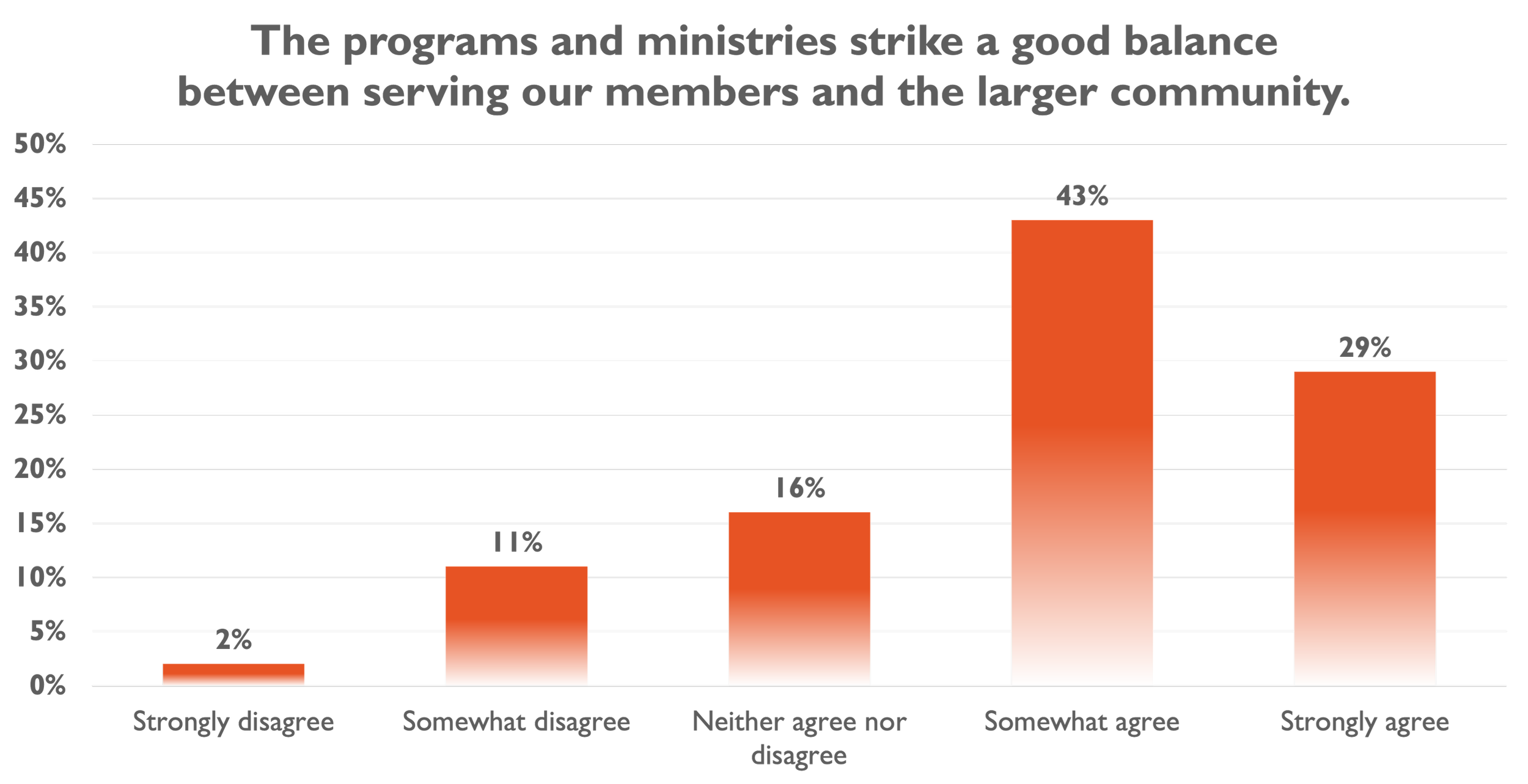
Figure 15: Programs and Ministry Balance
With a good balance of ministries and programs, are they meeting the community's needs? Similar to our previous item, we find that 67% of respondents somewhat or strongly agree that the programs in their congregation's ministries helped meet the needs of the larger community.
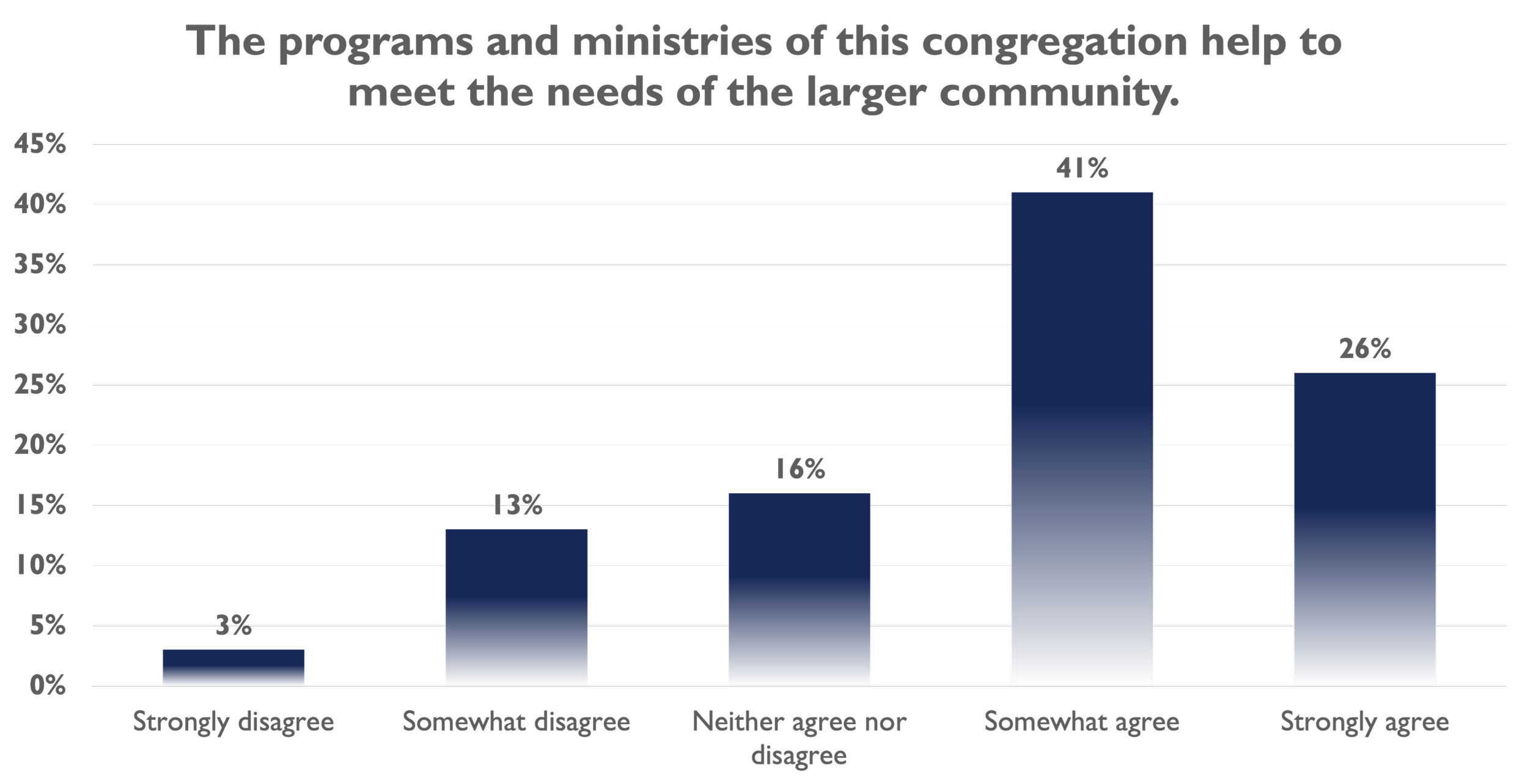
Figure 16: Programs Meet Needs of Community
It’s important in a congregation for all members to feel empowered to serve their congregation as well as their local community, so we asked how strongly respondents agreed with the statement, “this congregation empowers people for service and leadership,” and 69% of respondents somewhat or strongly agree. The full results can be found in Figure 17.
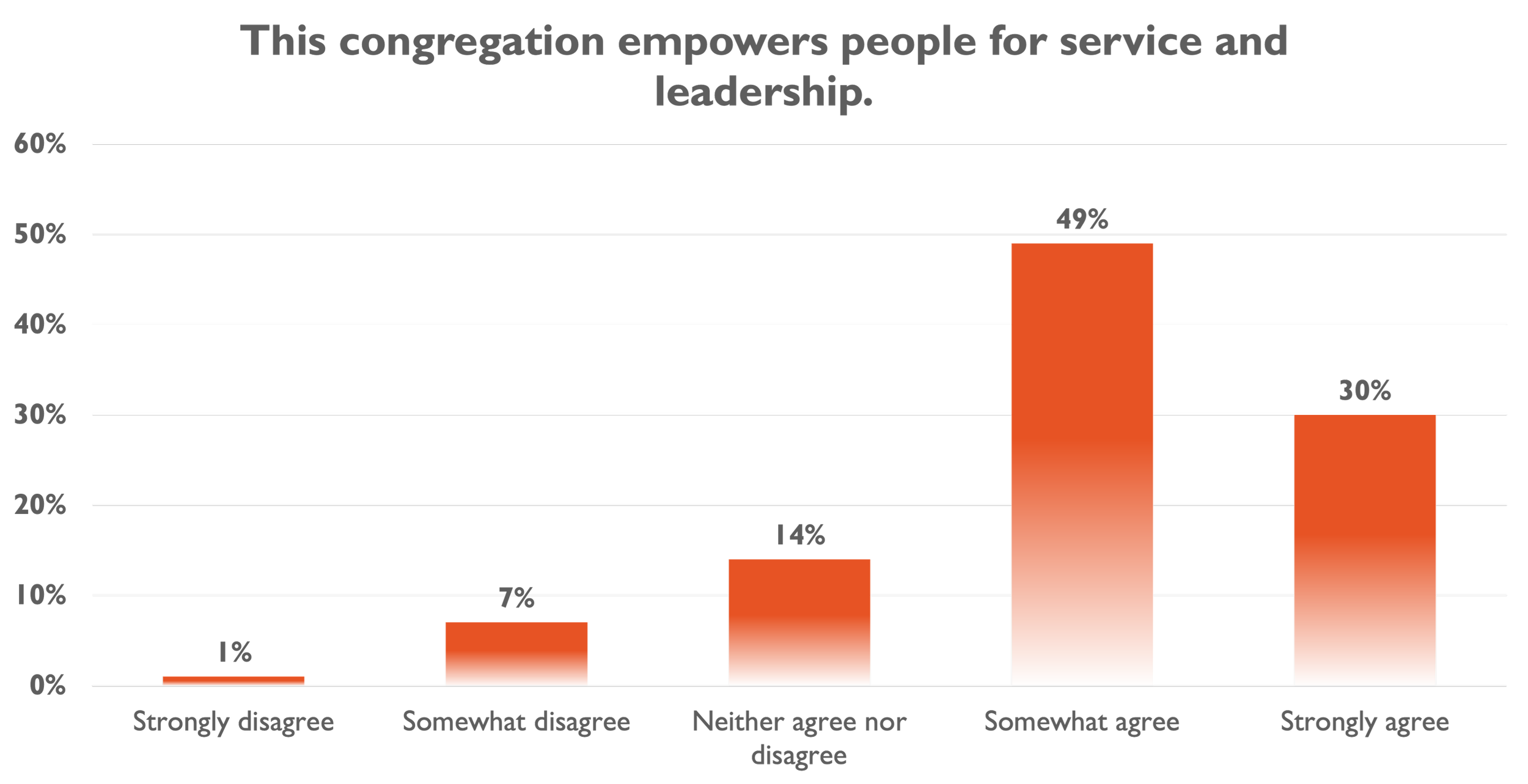
Figure 17: Congregation Empowers People for Service and Leadership
One of the things we hear, especially in smaller congregations, is that recruiting volunteers to staff programs and ministries can be difficult, particularly in congregations without the budget to hire specialized ministers. About half of the respondents somewhat or strongly agree that the congregation finds it difficult to support and recruit volunteers to fulfill its activities and programs.
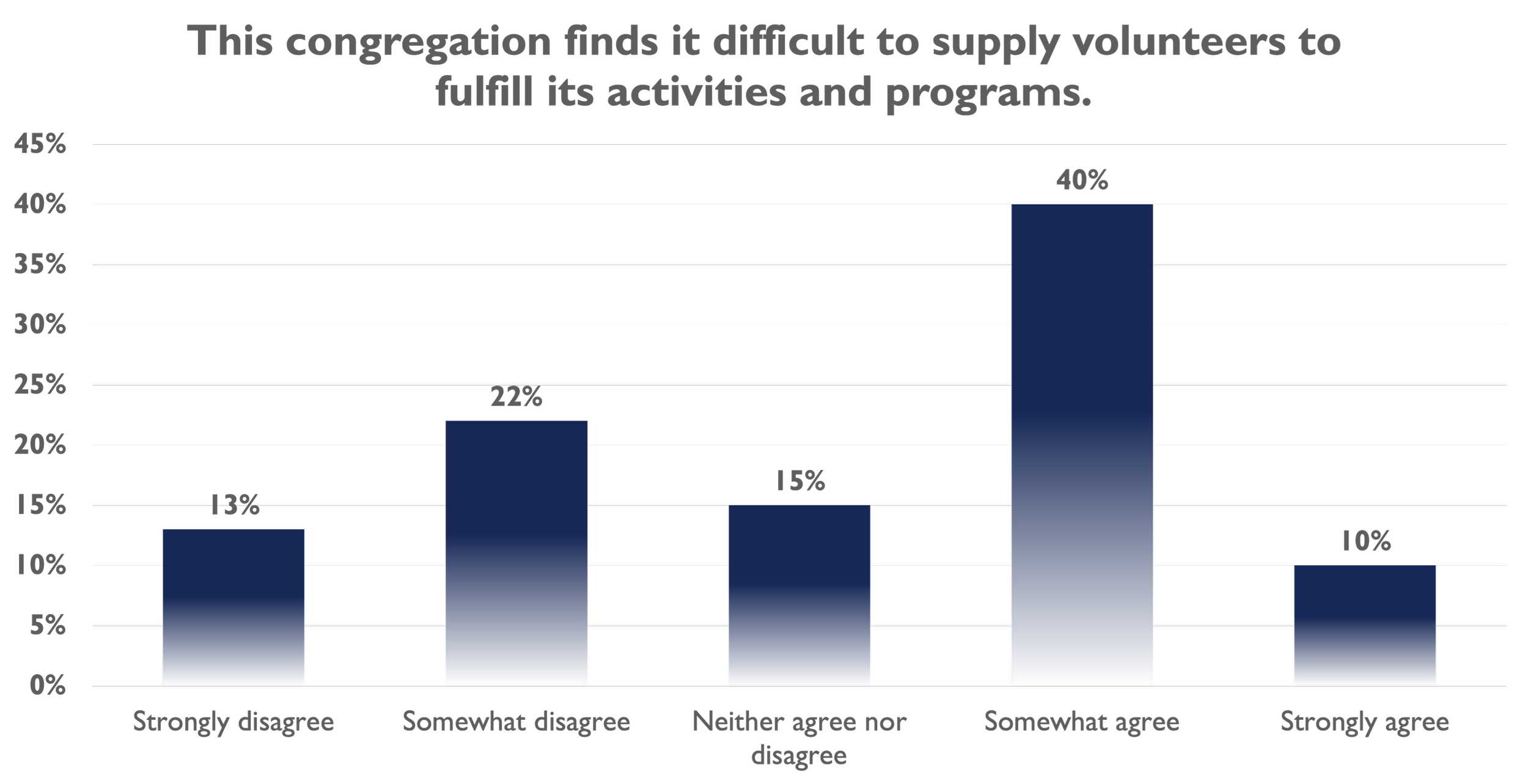
Figure 18: Difficult to Supply Volunteers
Figure 19 shows that 65% of respondents report that programs and activities are just as likely to be member-led as leadership-led. 18% of congregations report that their programs and ministries for current members and the larger community are more likely to be leader-led.
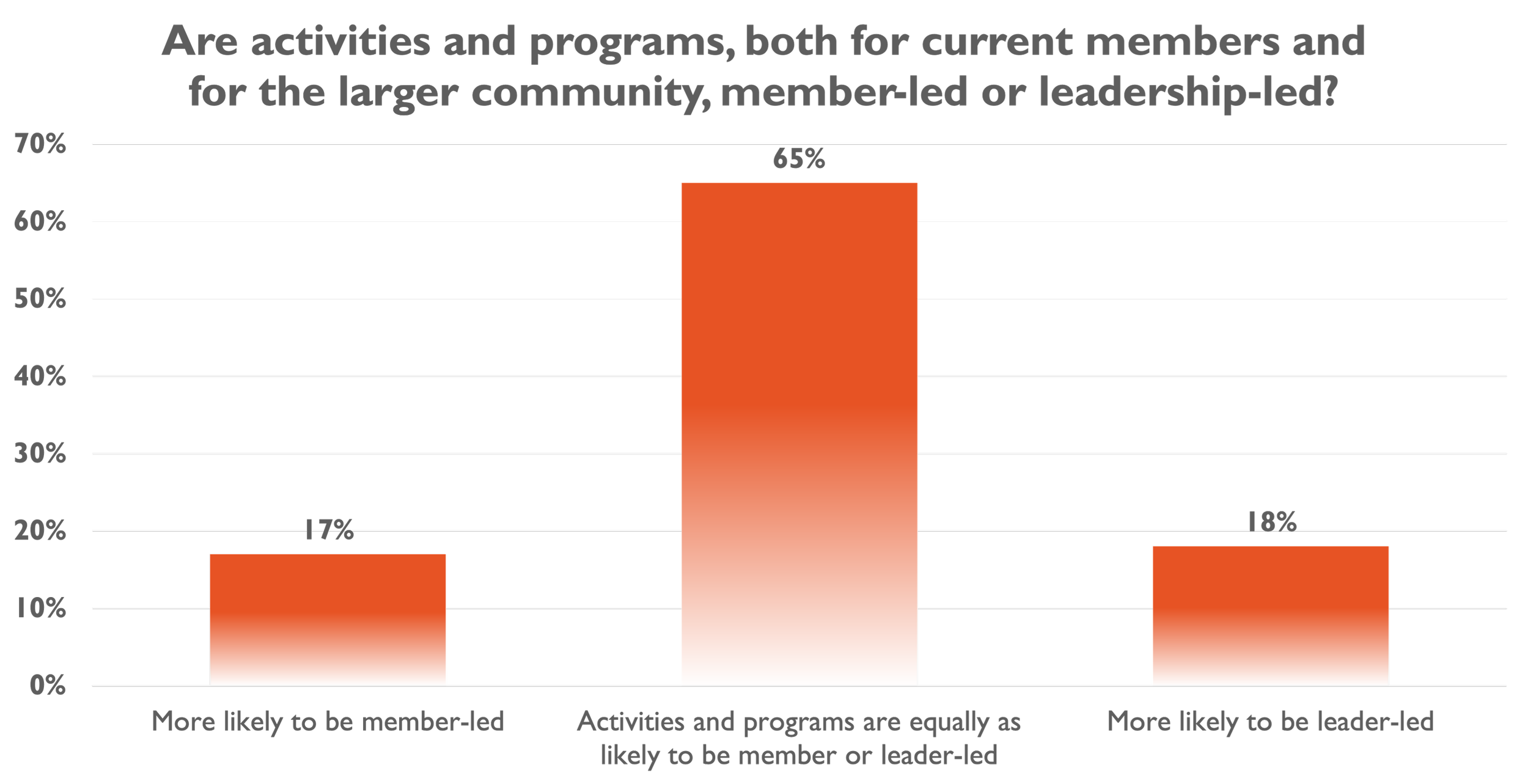
Figure 19: Activities are More Likely to Be Leader-Led or Member-Led
Three-fourths of congregations agree that their congregation engages with the local neighborhood or community, as shown in Figure 20. Similarly, as shown in Figure 21, 82% agree that their church promotes members’ engagement with the local community.
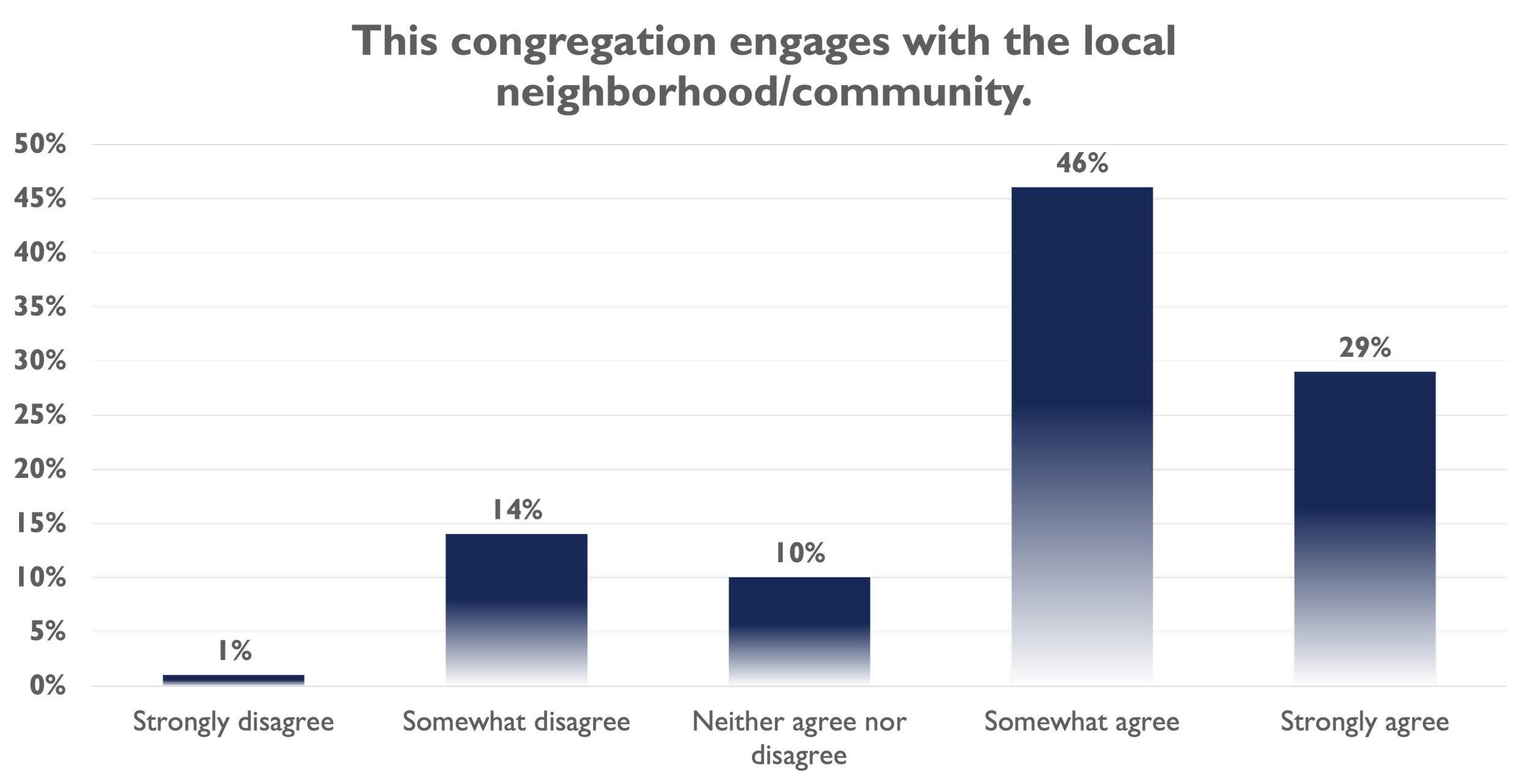
Figure 20: Congregation Engages with the Local Neighborhood/Community
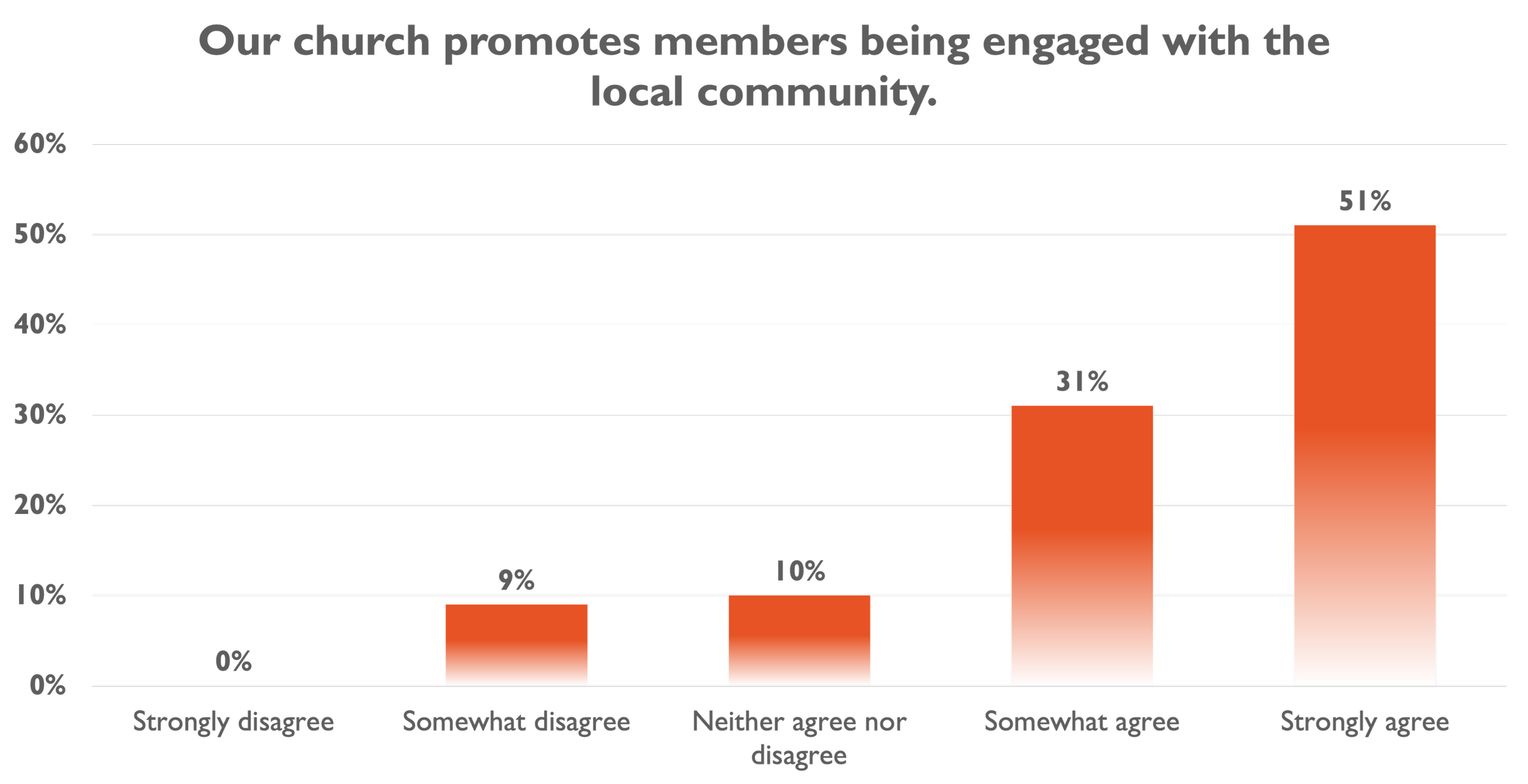
Figure 21: Church Promotes Member Engagement with Community
One of the issues we’ve heard about churches, especially those in decline, is that it can be hard for the budget to support ministries and programs, as well as the building's physical structures and staff salaries. However, we found that 81% of respondents agree that their congregation’s annual giving adequately supports the church’s programs and ministries, as shown in Figure 22. This provides counter-evidence to the prevailing wisdom that churches struggle to support their programs and ministries adequately.
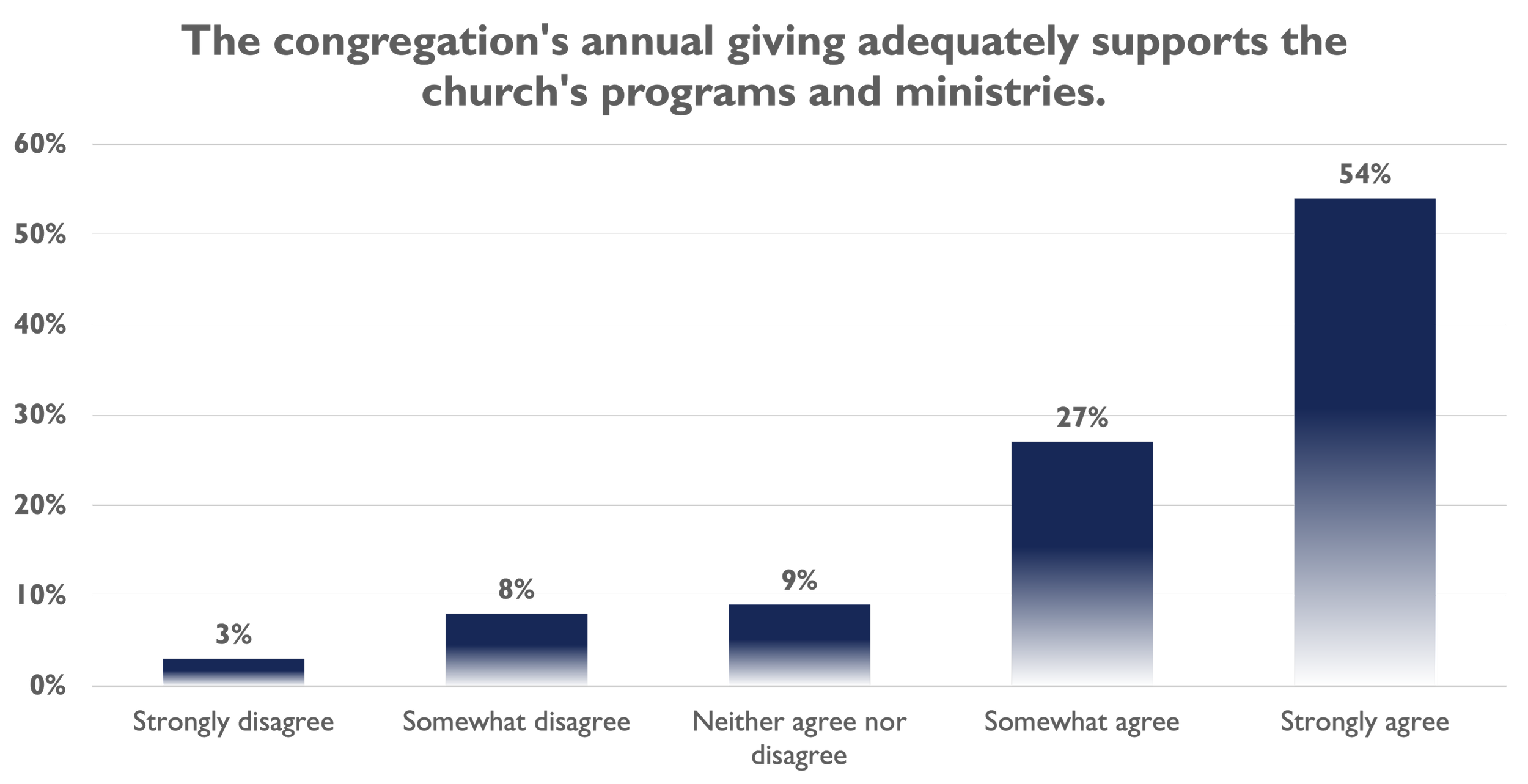
Figure 22: Annual Giving Adequately Supports Programs and Ministries
In addition to supporting programs and ministries, the budget must also maintain the physical property, so we asked whether your budget can sustain it over the next five years. 70% of respondents strongly agree. Figure 23 shows that another 20% somewhat agree, suggesting that the congregations in our sample can maintain their property.
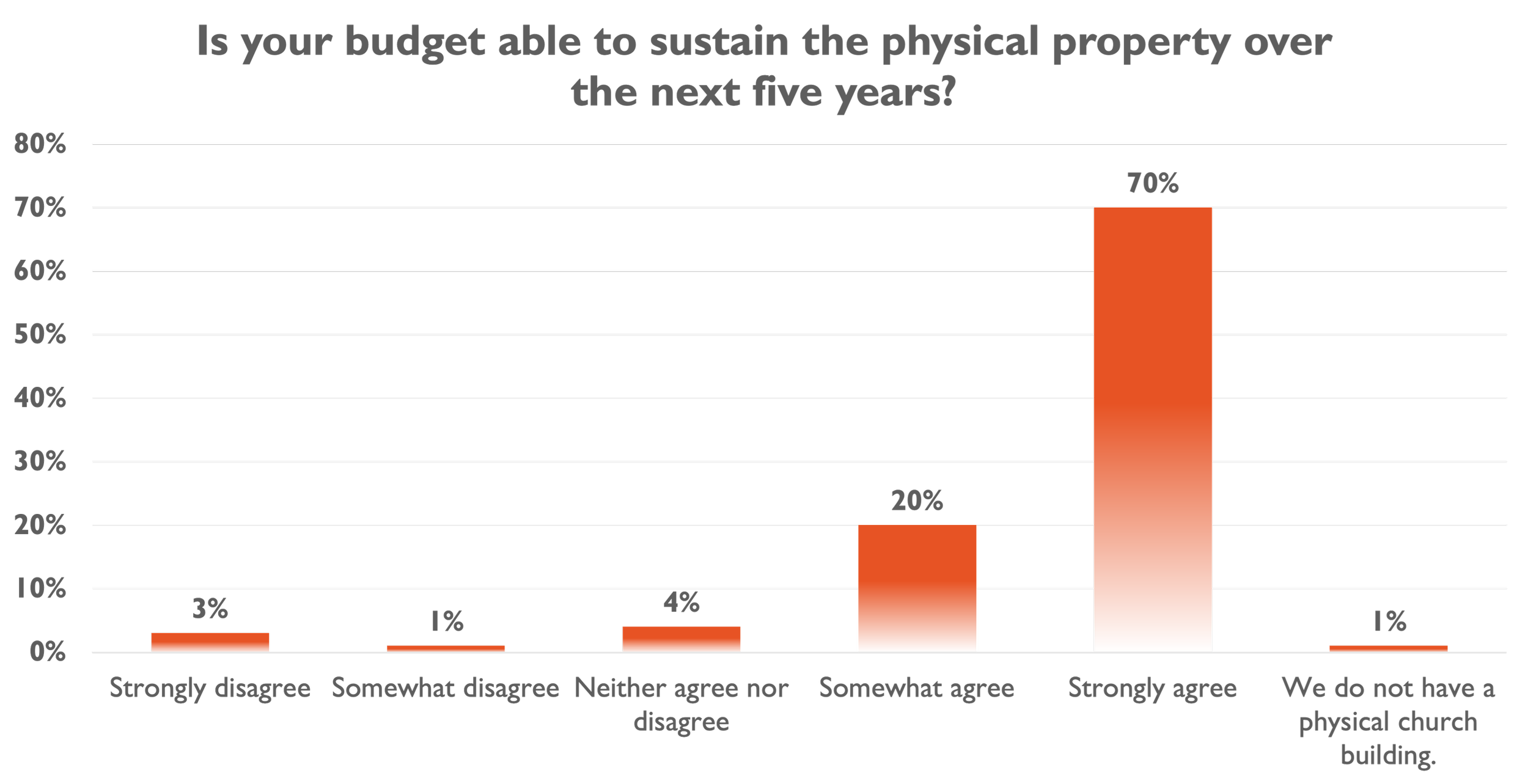
Figure 23: Budget Able to Sustain Physical Property over Next Five Years
Going along with the look towards the future and how the budget will affect the physical property, we were also interested in the physical condition of the church's facilities and whether they were generally well cared for. Figure 24 shows that, as needs arise, we found, unsurprisingly, that 97% of congregations report their physical facilities are generally well cared for.
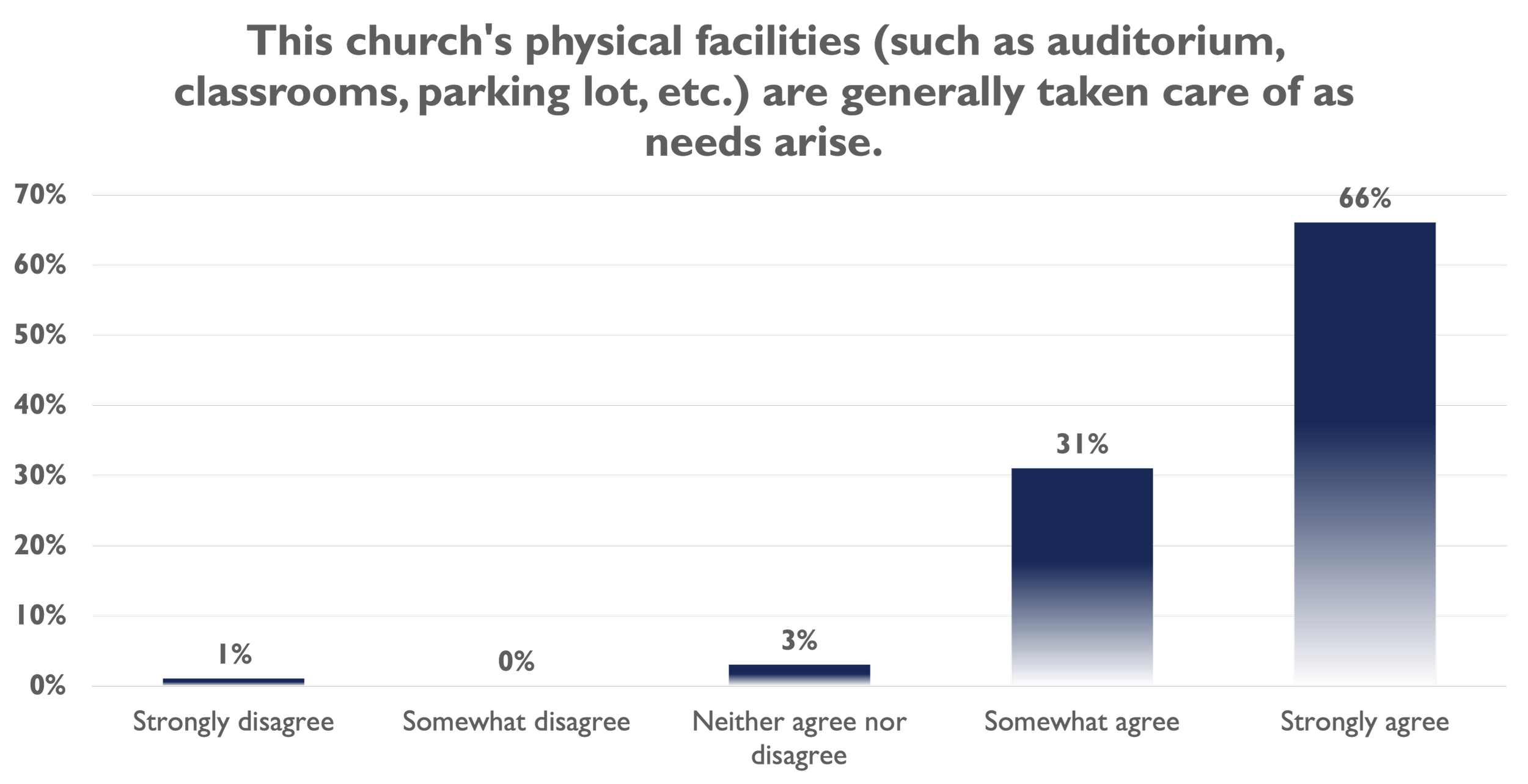
Figure 24: Facilities are Generally Taken Care of
Figure 25 shows that 76%, or just over ¾, of respondents agree that the members of their congregation see evidence of the mission and/or vision in their congregation’s life. Similarly, Figure 26 shows that 75% report that their congregation pursues its mission/vision well. 79% responded "somewhat" or "strongly agree" that the programs, activities, and ministries of the congregation seek to fulfill the mission and vision (Figure 27).
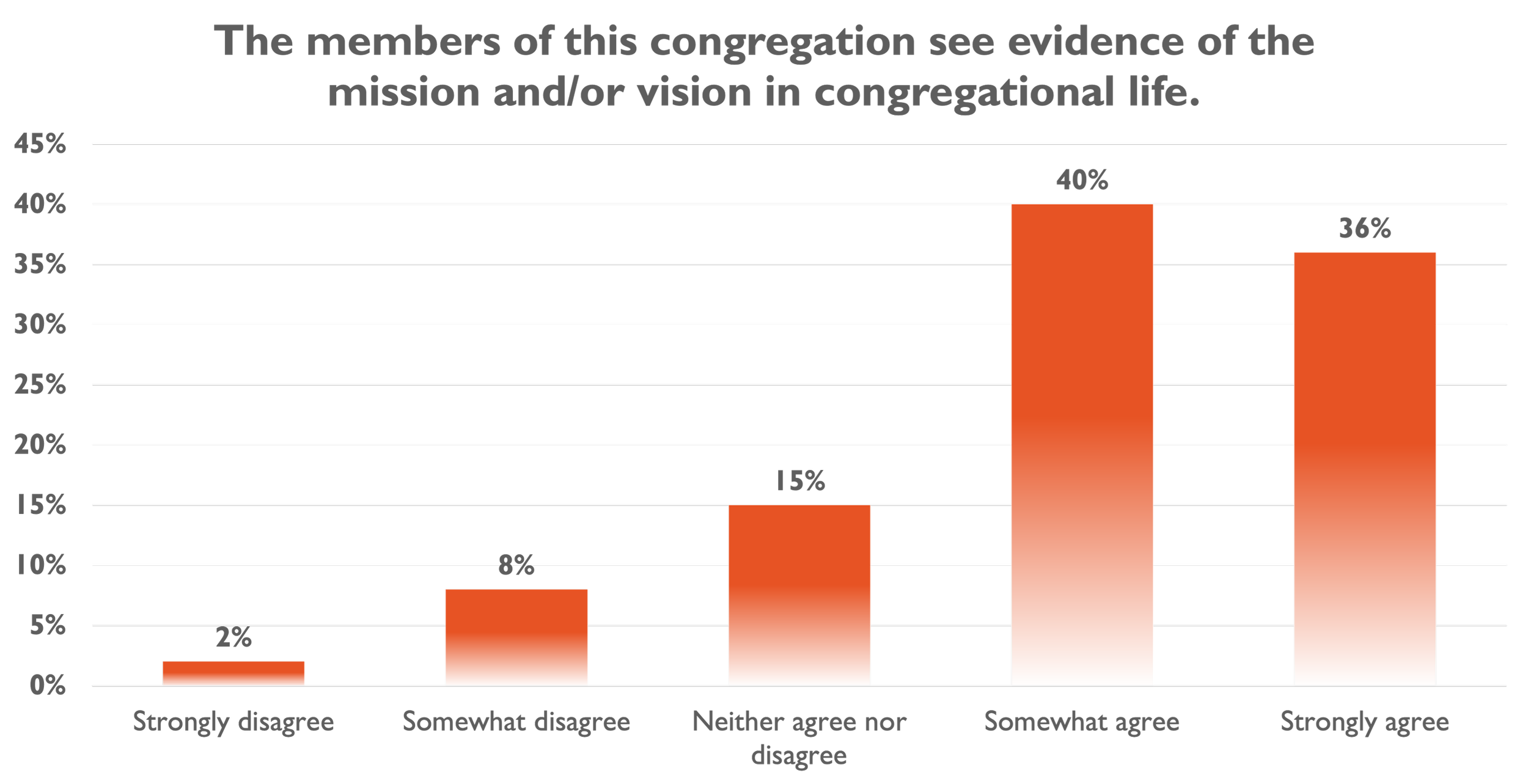
Figure 25: Members See Evidence of the Mission/Vision
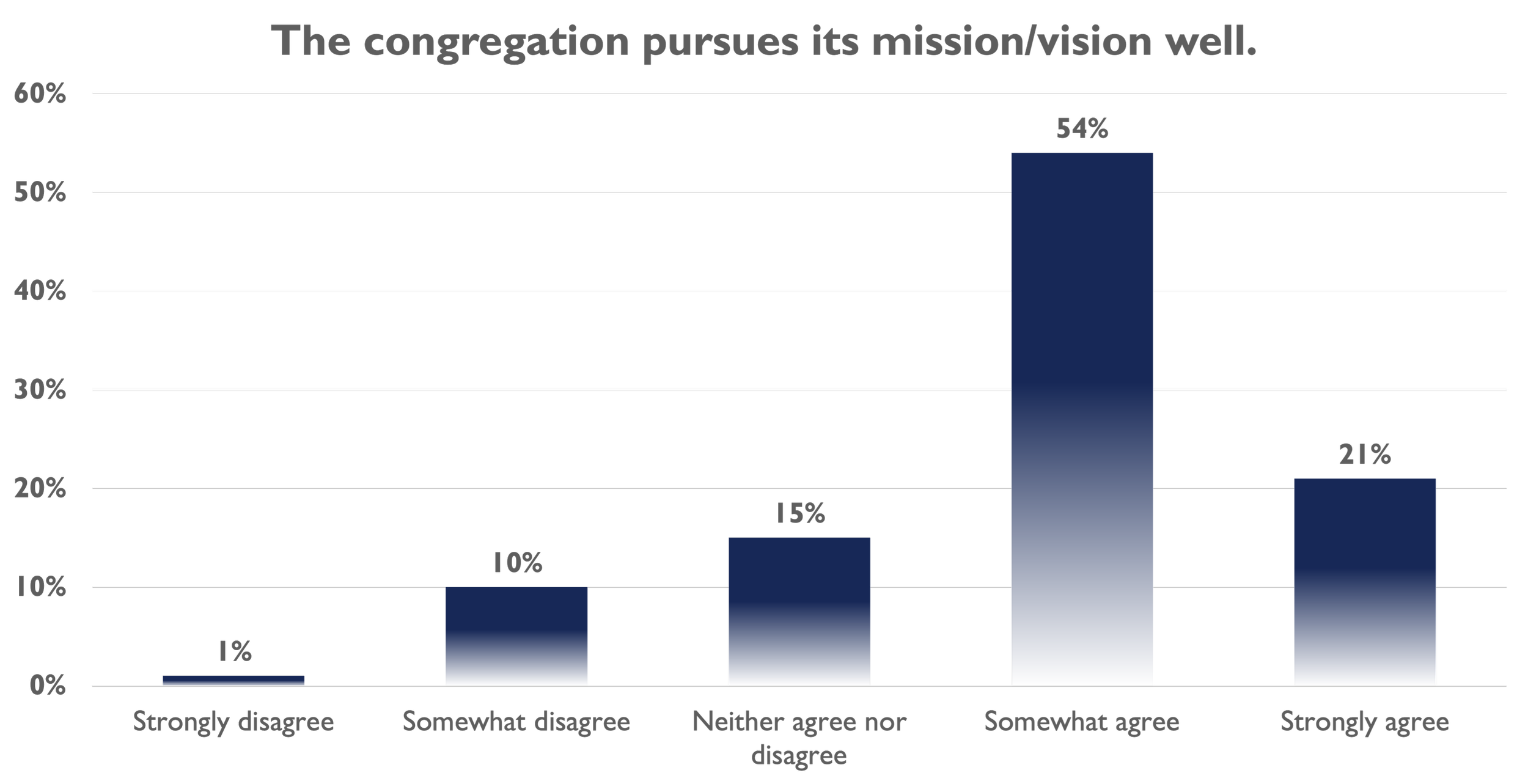
Figure 26 The Congregation Pursues it Mission/Vision Well
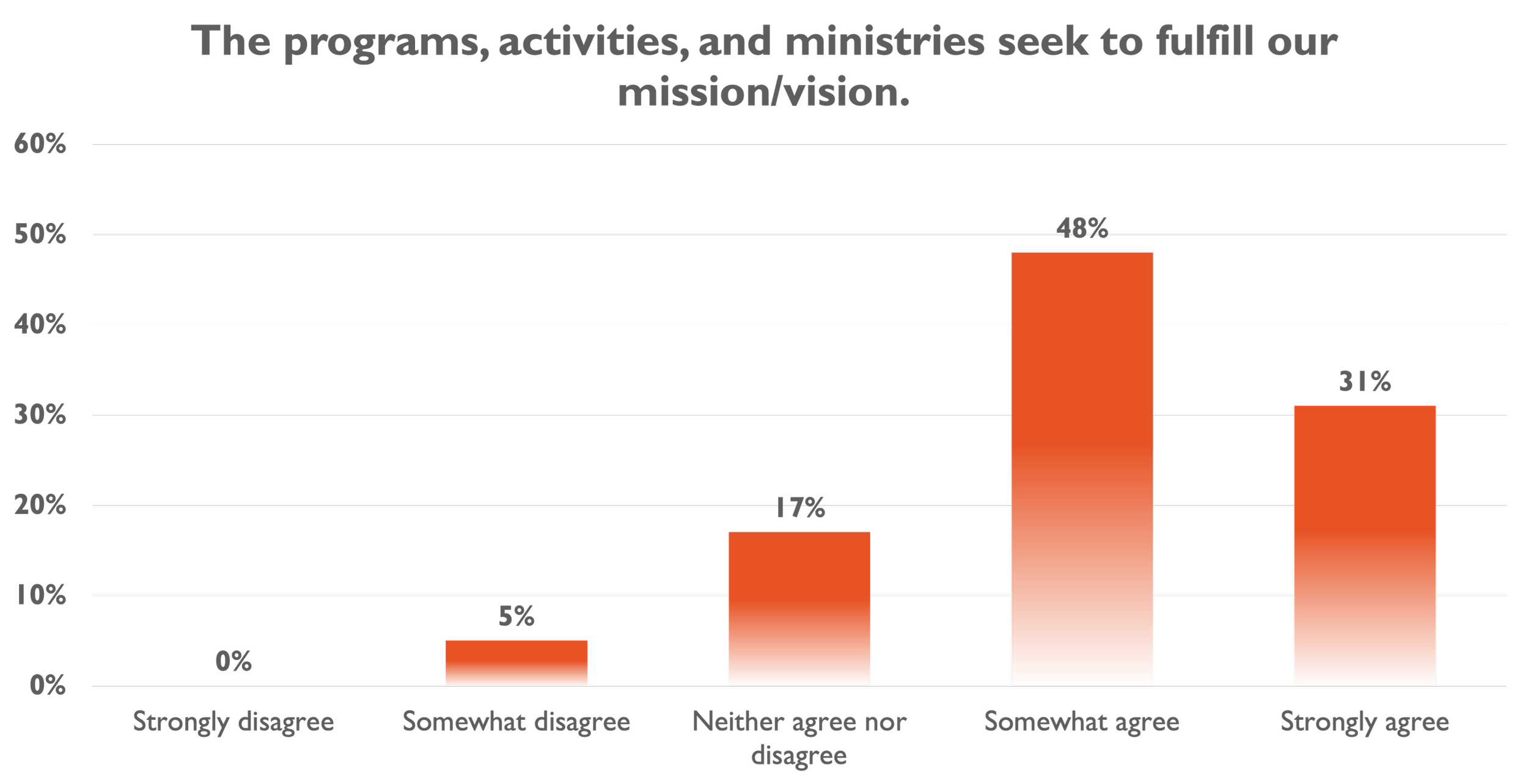
Figure 27: Programs, Activities, and Ministries Seek to Fulfill the Mission/Vision
The independent nature of Churches of Christ sometimes makes partnering a challenge, so one of the things we were interested in was how congregations partner, both with other congregations within the Churches of Christ and with other denominations, as well as how congregations partner with other nonprofit organizations. The first question was whether your congregation ever works with other Churches of Christ in the area to provide services for the community. Just over half of congregations said yes. It’s important to note that, given the rural nature of these congregations, a lack of collaboration between Churches of Christ isn’t always due to a lack of willingness but could be because there are few other congregations to partner with.
Regarding congregations from other denominations or religious traditions, 41% of respondents said that, yes, they do partner with churches from outside the Church of Christ tradition.
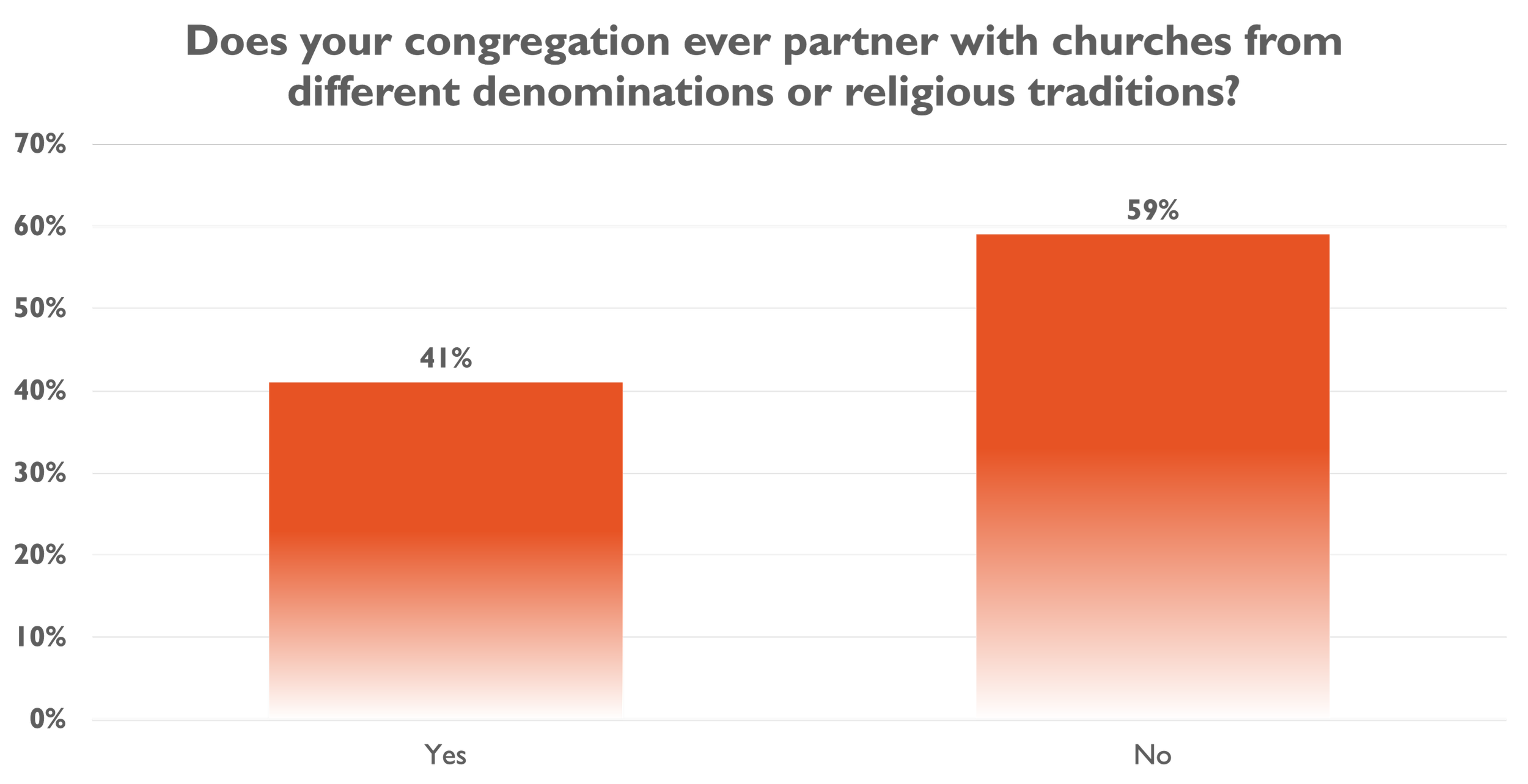
Figure 28: Collaborate with Other Churches of Christ
In an open-ended question, we asked respondents to tell us which churches or organizations in their local community they have worked with or would consider partnering with in ministry. Figures 29 and 30 provide a summary of the open-ended responses. We counted the number of times each response was given and found that the most common was "other churches" with 55 mentions, followed closely by "food banks and pantries" with 40 mentions, and "ministerial alliances" with 30 mentions. The key themes we see are that congregations are most likely to partner around food and basic means, and on interdenominational worship issues such as rural isolation, youth and family programs, and disaster and emergency relief; however, many congregations warned of the need for theological caution.
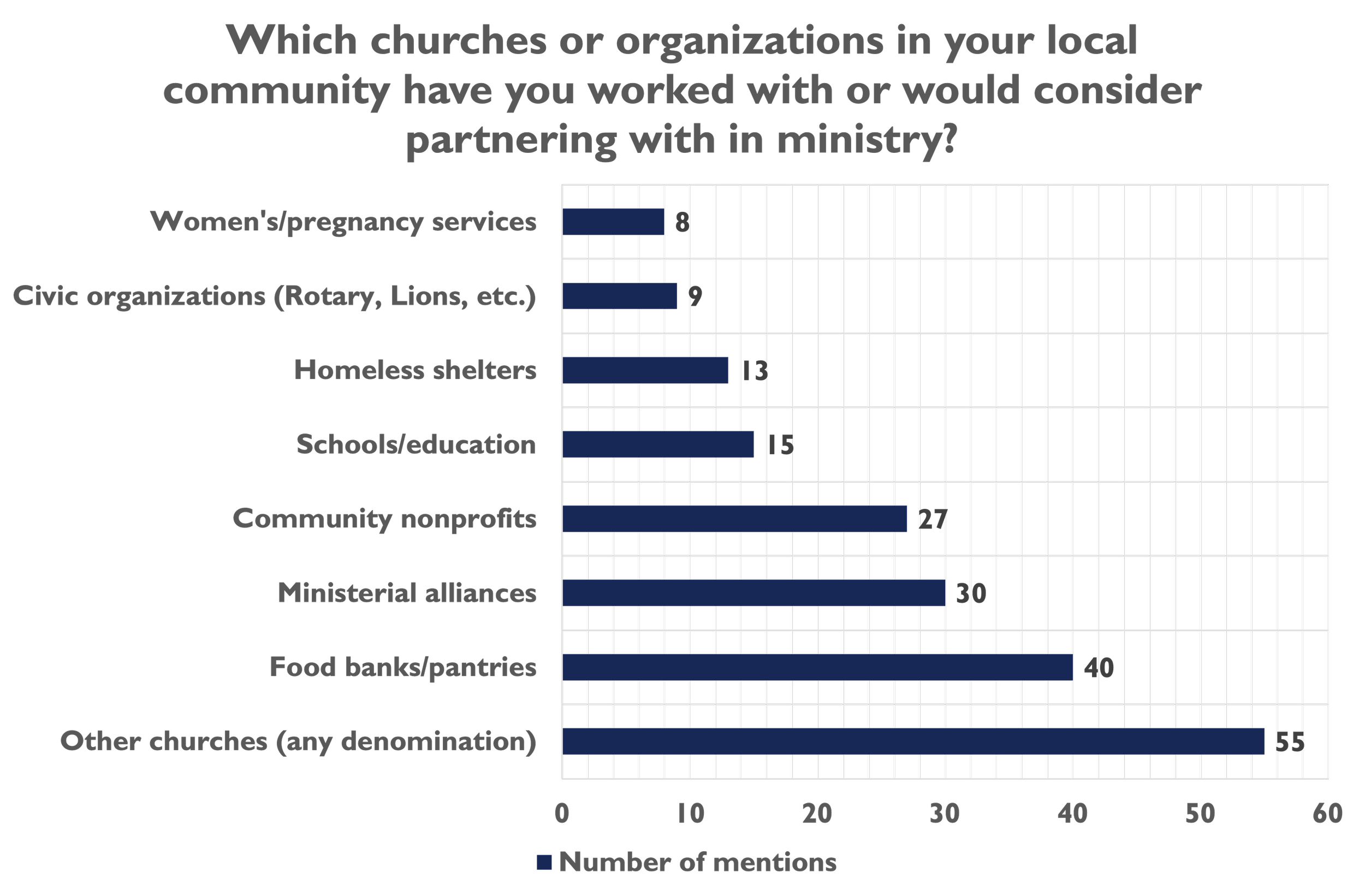
Figure 29: Community Partners
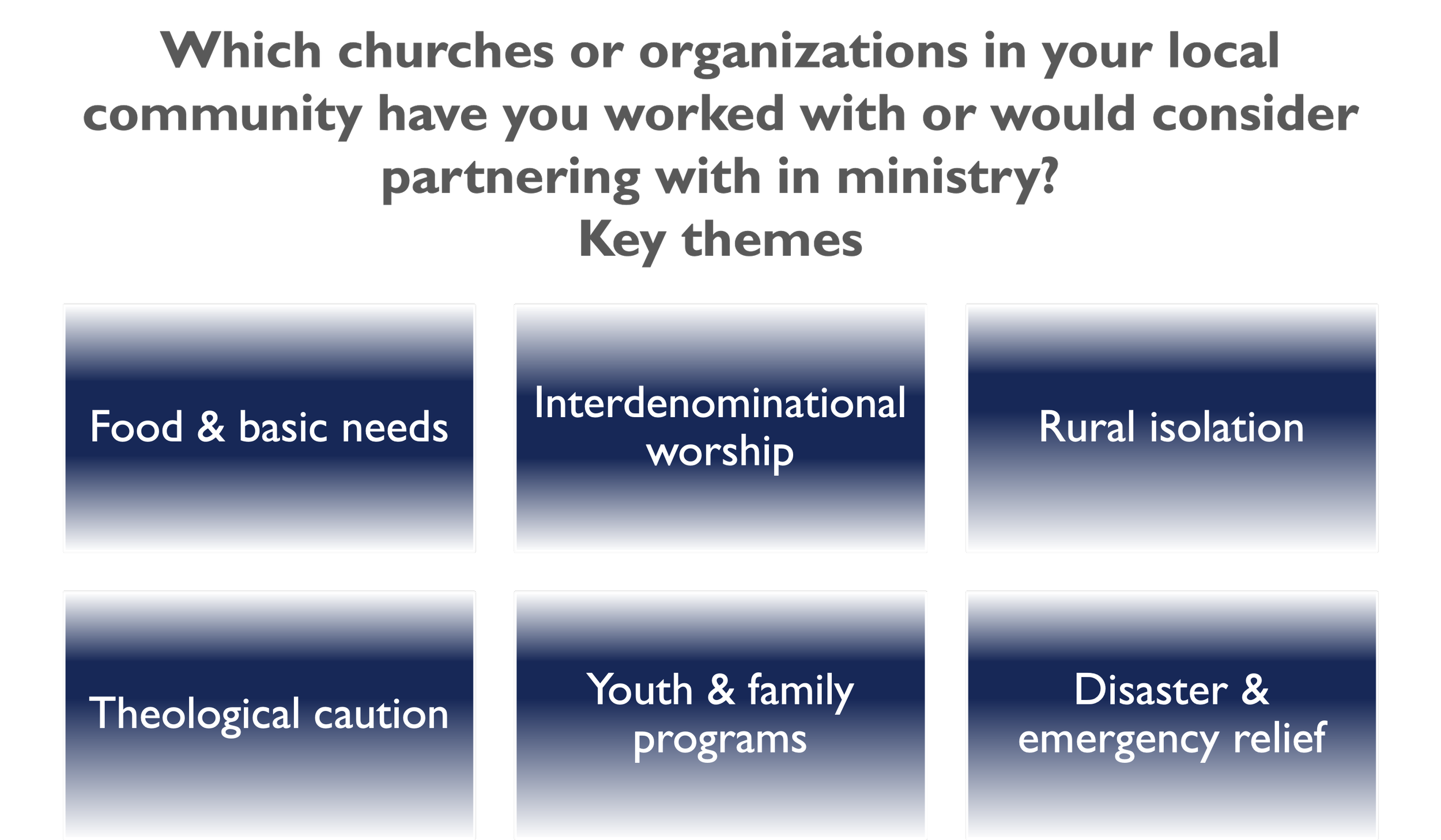
Figure 30: Key Themes of Partnering in Ministry
There are many ways to partner with organizations: you could partner through finances, through member involvement, or by receiving funds and being the organization that provides the services. We were interested in the types of funding that churches would be willing to accept. We asked whether it is OK to accept money from organizations such as the United Way. Figure 31 shows that 58% of respondents said that it was probably not, or definitely not, OK; only 9% said it was definitely OK to receive money from organizations such as the United Way.
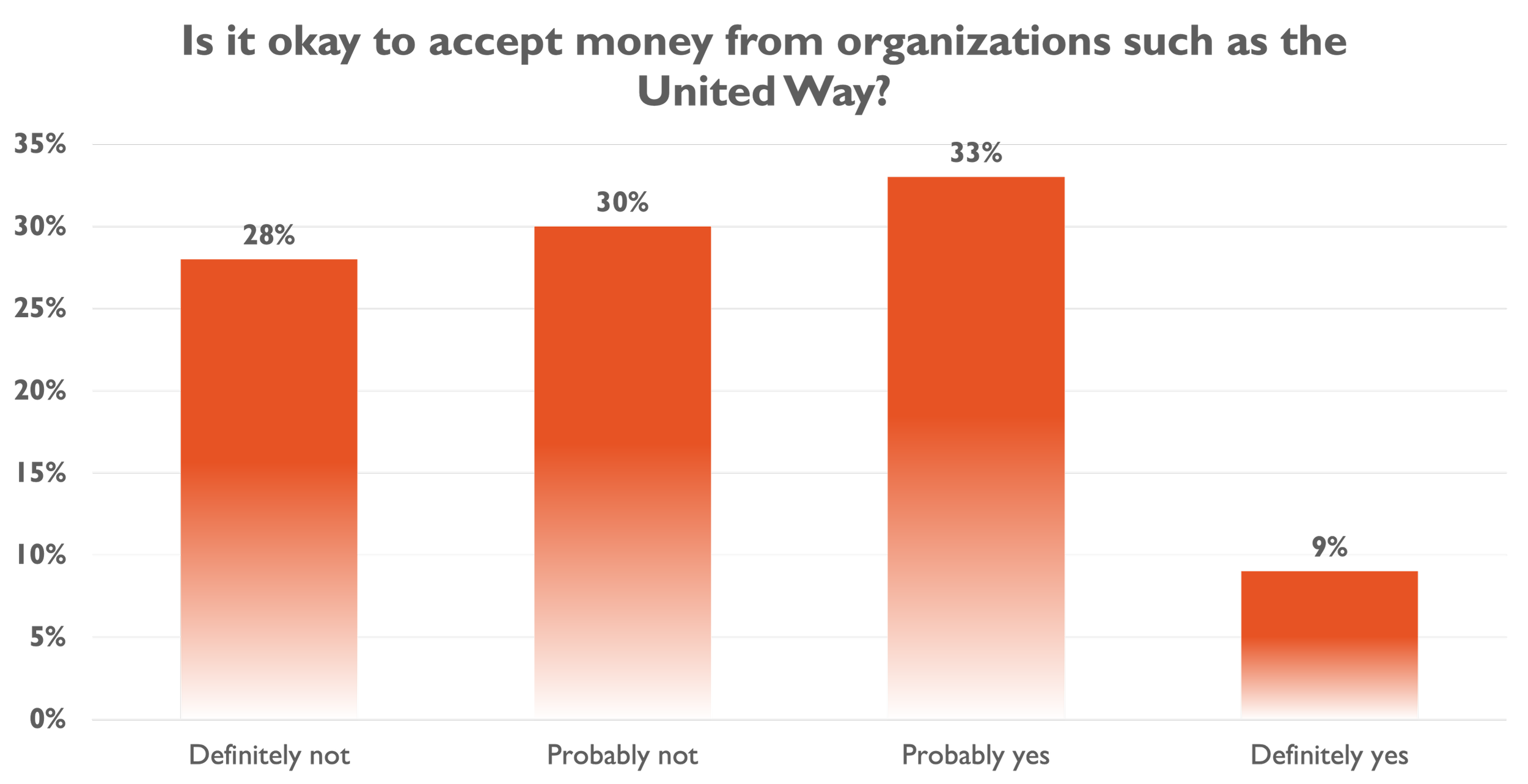
Figure 31: Okay to Accept Money
Lastly, we asked whether it was OK to partner with secular nonprofit organizations. 39% of respondents said it was probably or definitely not OK; 44% said it was probably OK; and 17% said it was definitely OK (Figure 32).
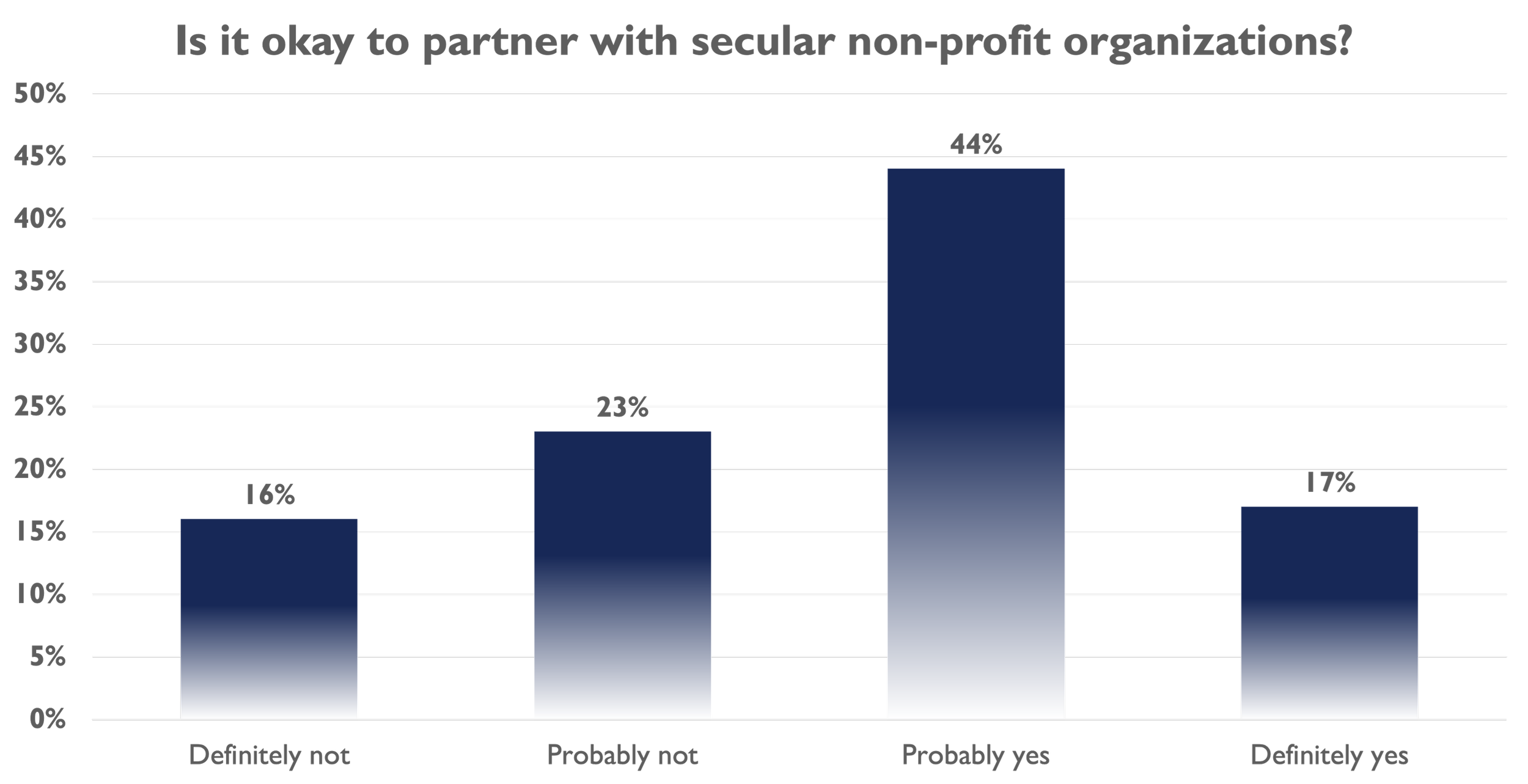
Figure 32: Okay to Partner with Secular Non-Profit
Not all surveys were completed by ministers. We were interested in learning more about the struggles faced by ministers in rural and small-town areas. In Churches of Christ, we found that 72% of respondents were in a congregation with a paid minister. We asked only ministers completing the survey whether they were the sole minister, and 64% reported that, yes, they were the sole minister at their church (Figure 34).
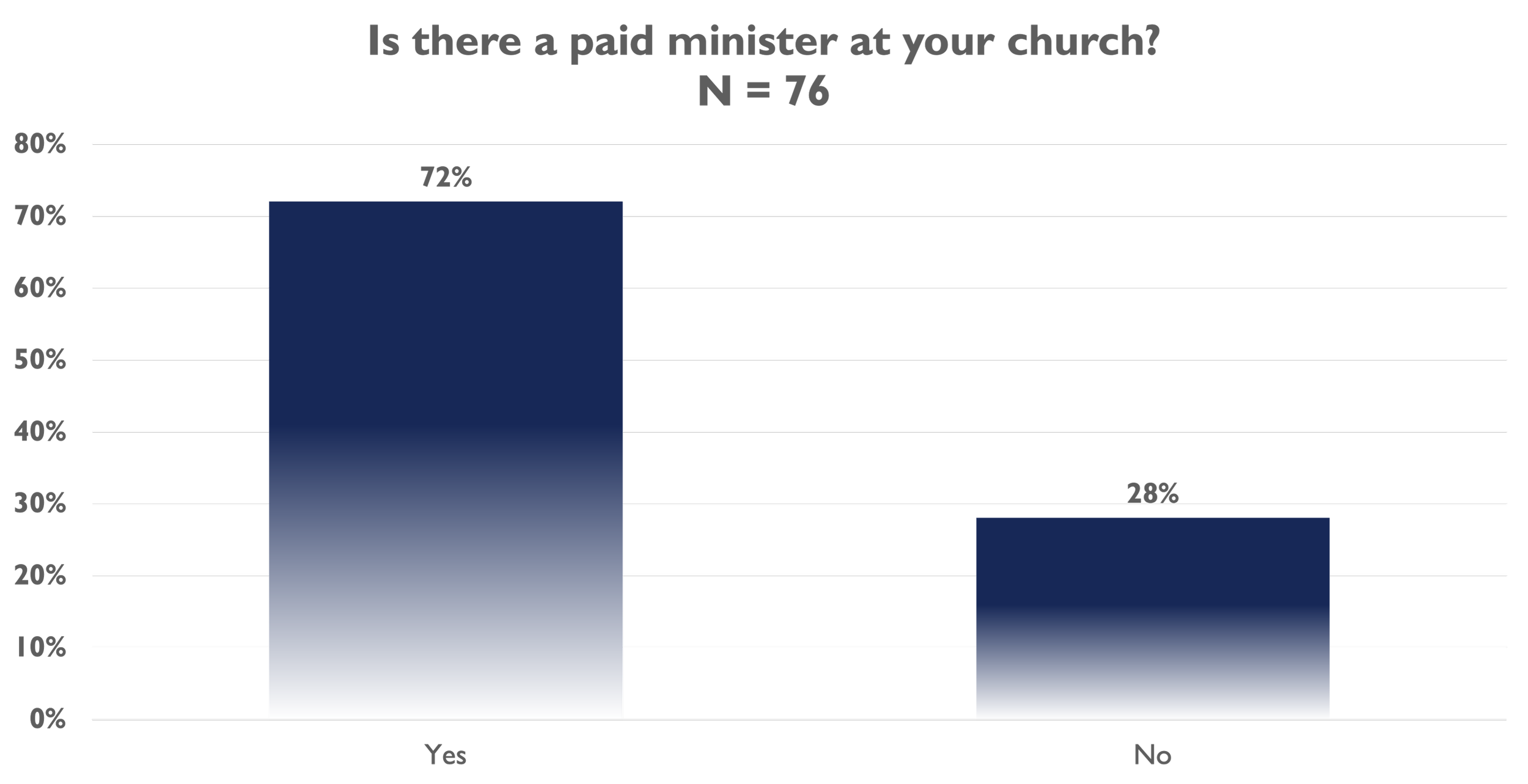
Figure 33: Paid Minister
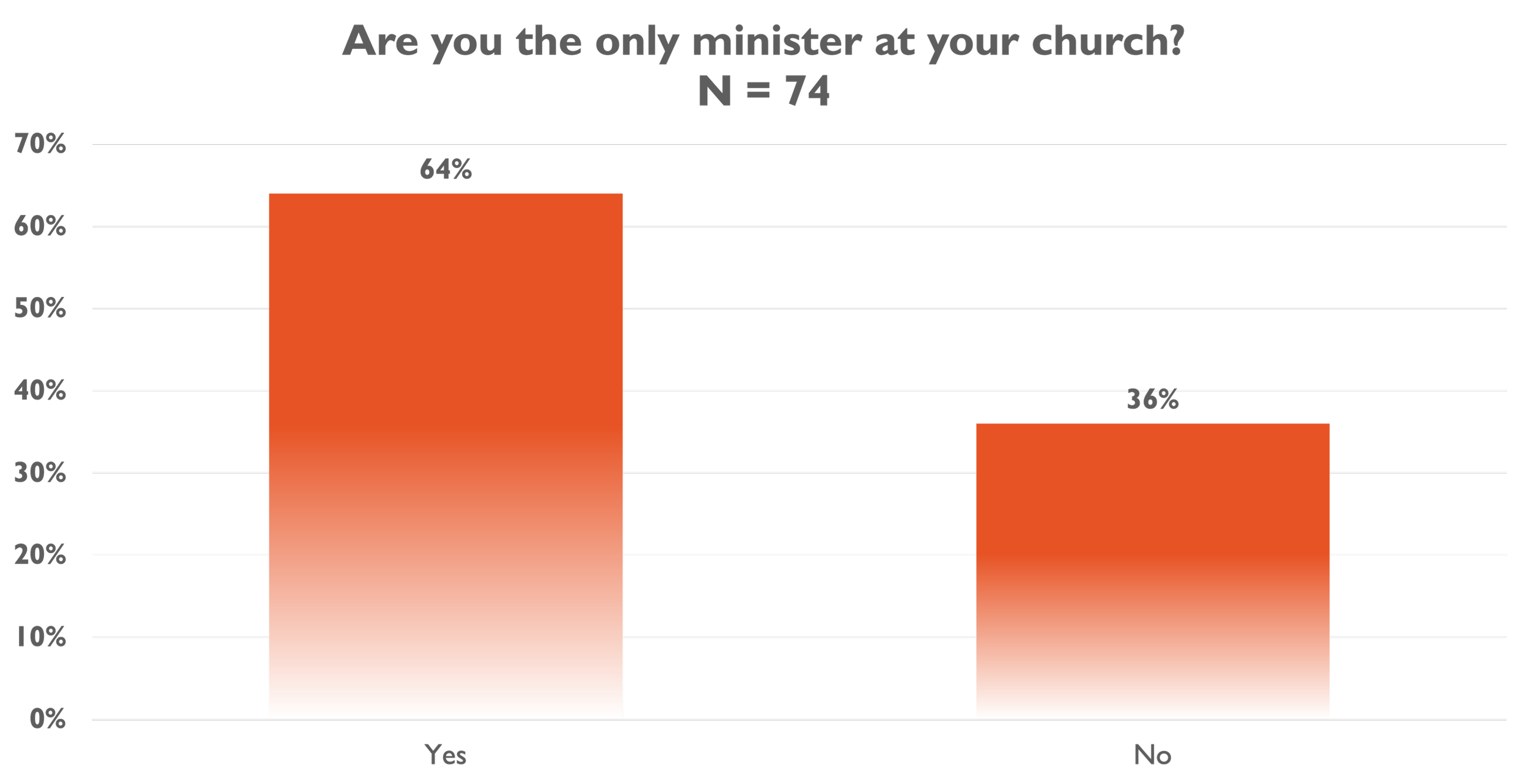
Figure 34: Solo Minister
Of those same ministers, we also asked if they were paid for their ministry work at their church 16% our part-time, 71% are full-time, and 12% are unpaid ministers (Figure 35).
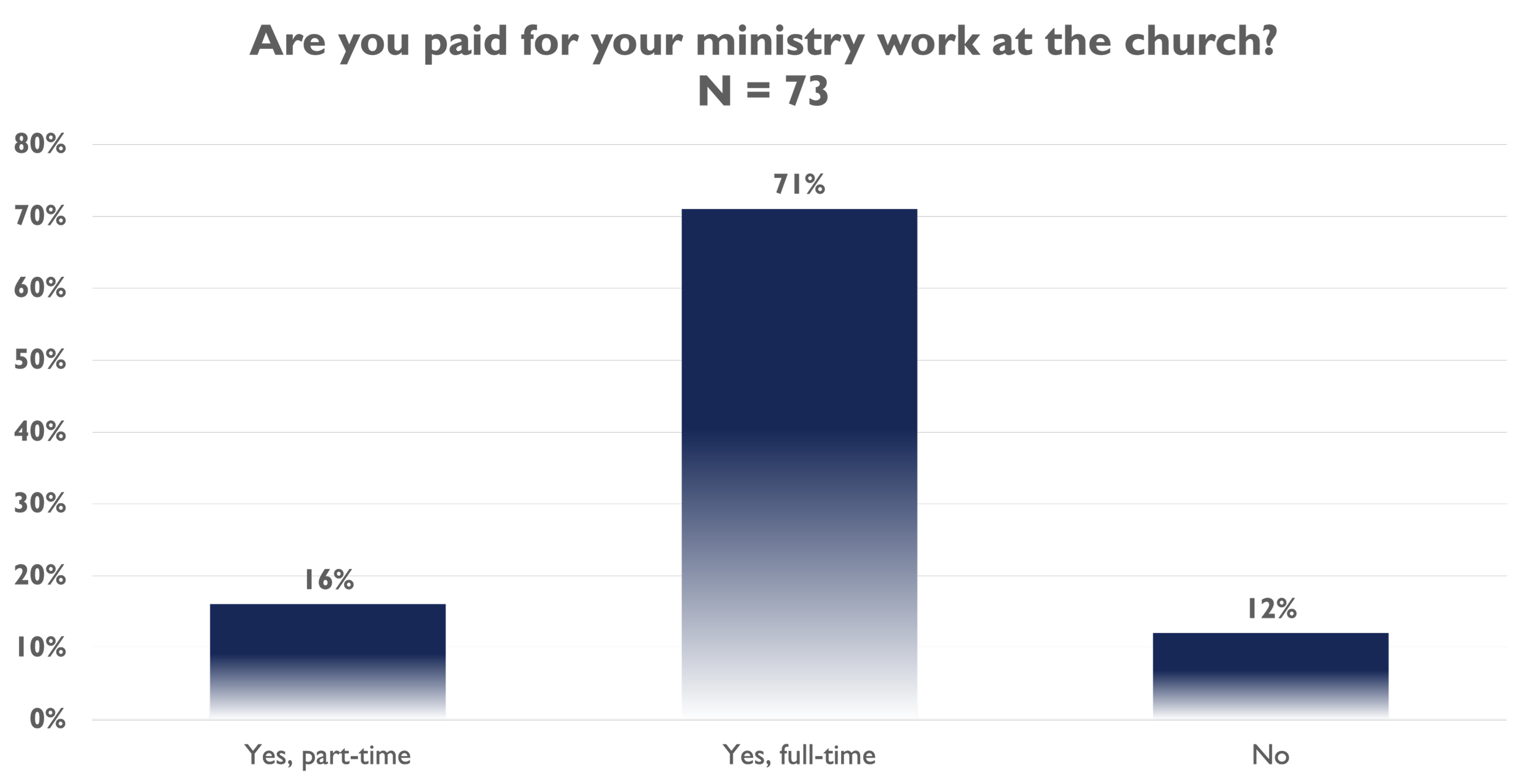
Figure 35: Minister Job Status
One of the things that is important to the health and well-being of ministers is having someone to discuss issues with someone who’s not necessarily in a position of authority over the minister and so we asked are there other ministers that you can talk to these may be in your congregation or outside of your congregation 93% of respondent said that yes there is a minister that they can talk to you (Figure 36).
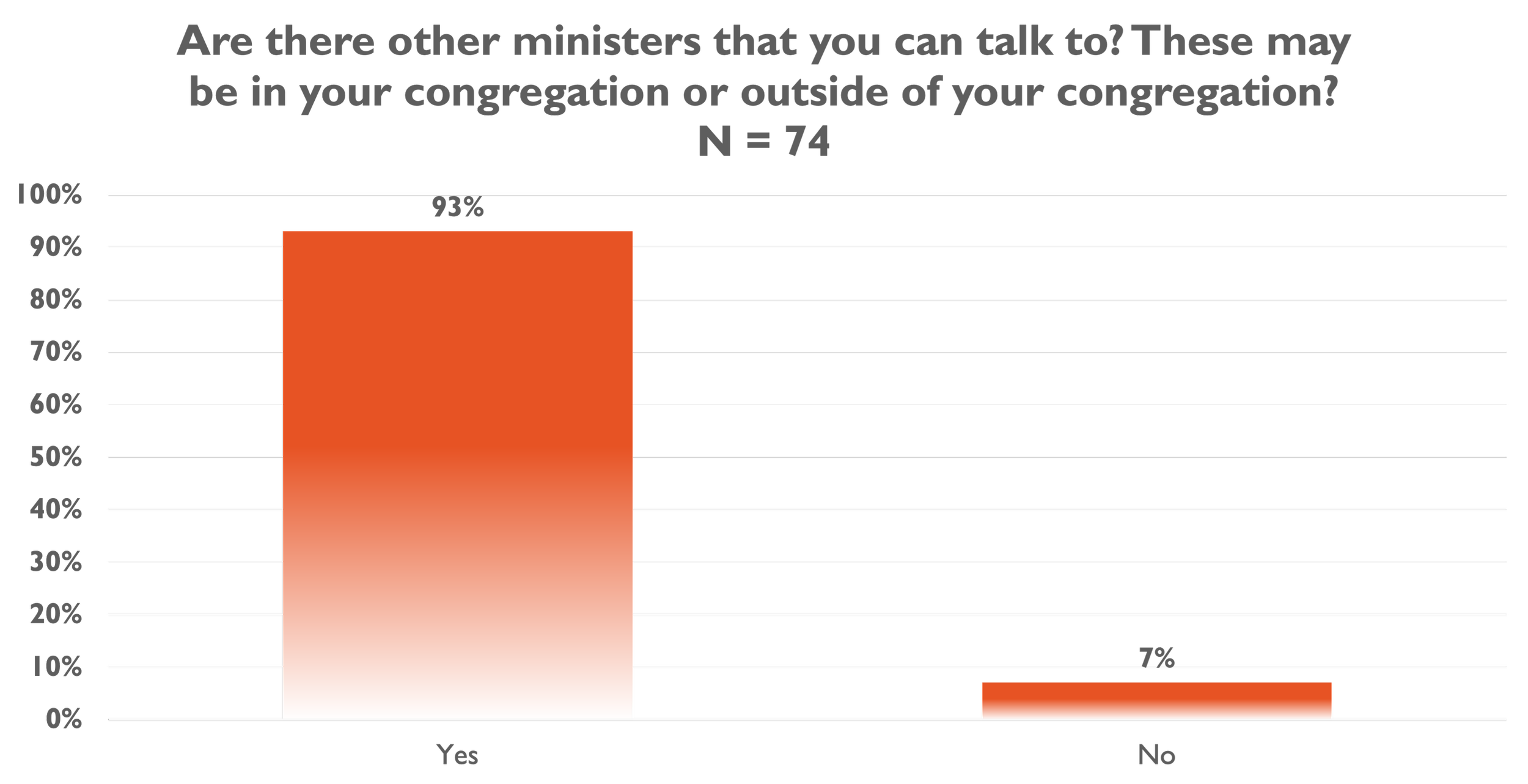
Figure 36: Minister to Talk To
However, talking to a fellow minister is not quite the same as having a mentor or someone you can confide in. When asked, "Do you have a mentor or someone you can confide in?" 79% said yes, as shown in Figure 37.
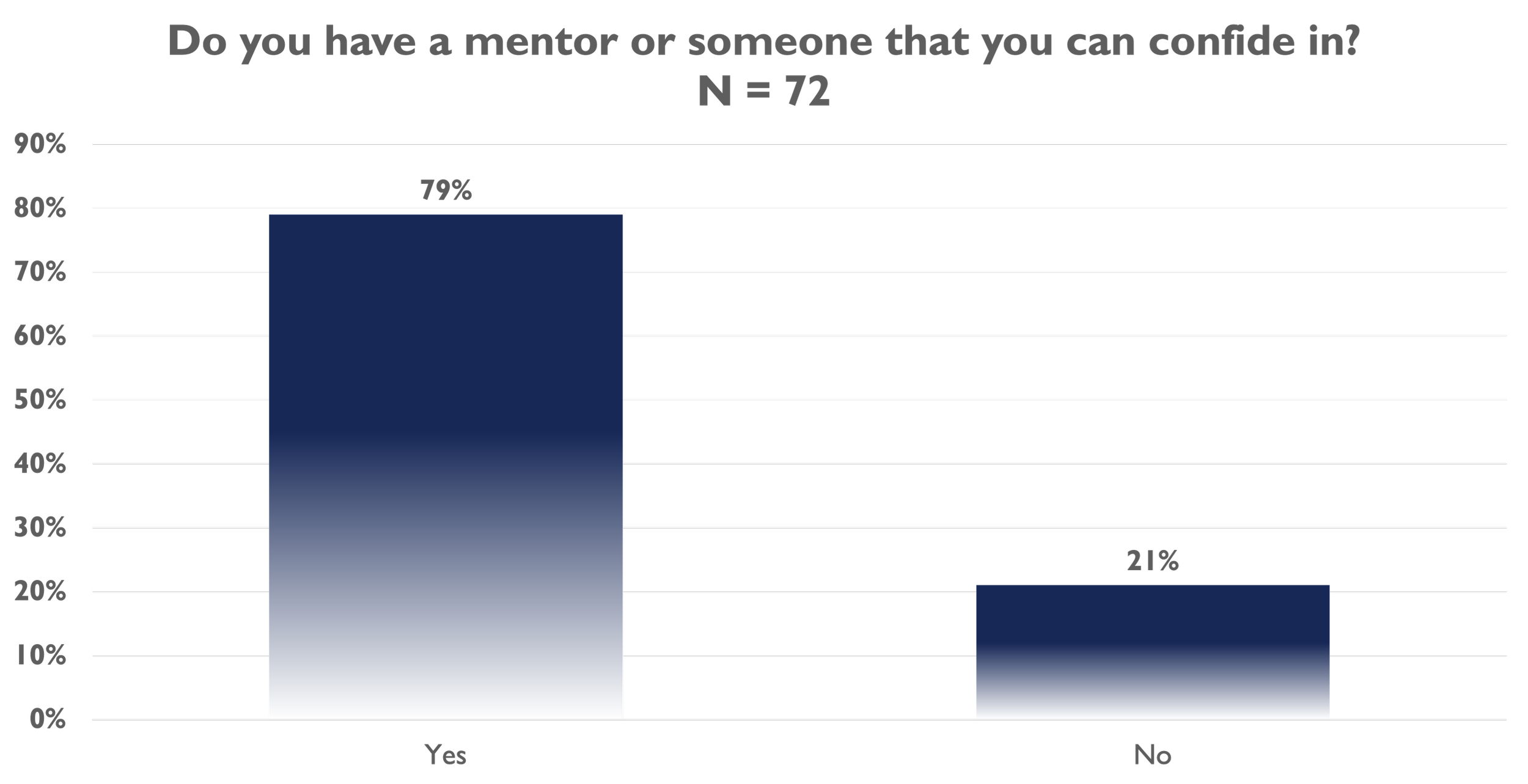
Figure 37: Have a Mentor
One of the ways that ministers can receive support is by attending or participating in lecture series or programs offered by the Church of Christ organization, such as universities and other nonprofit organizations, which can be either virtual or in person. Figure 38 shows that 65%, or just about 2/3, of ministers participate in some form of lecture series or program.
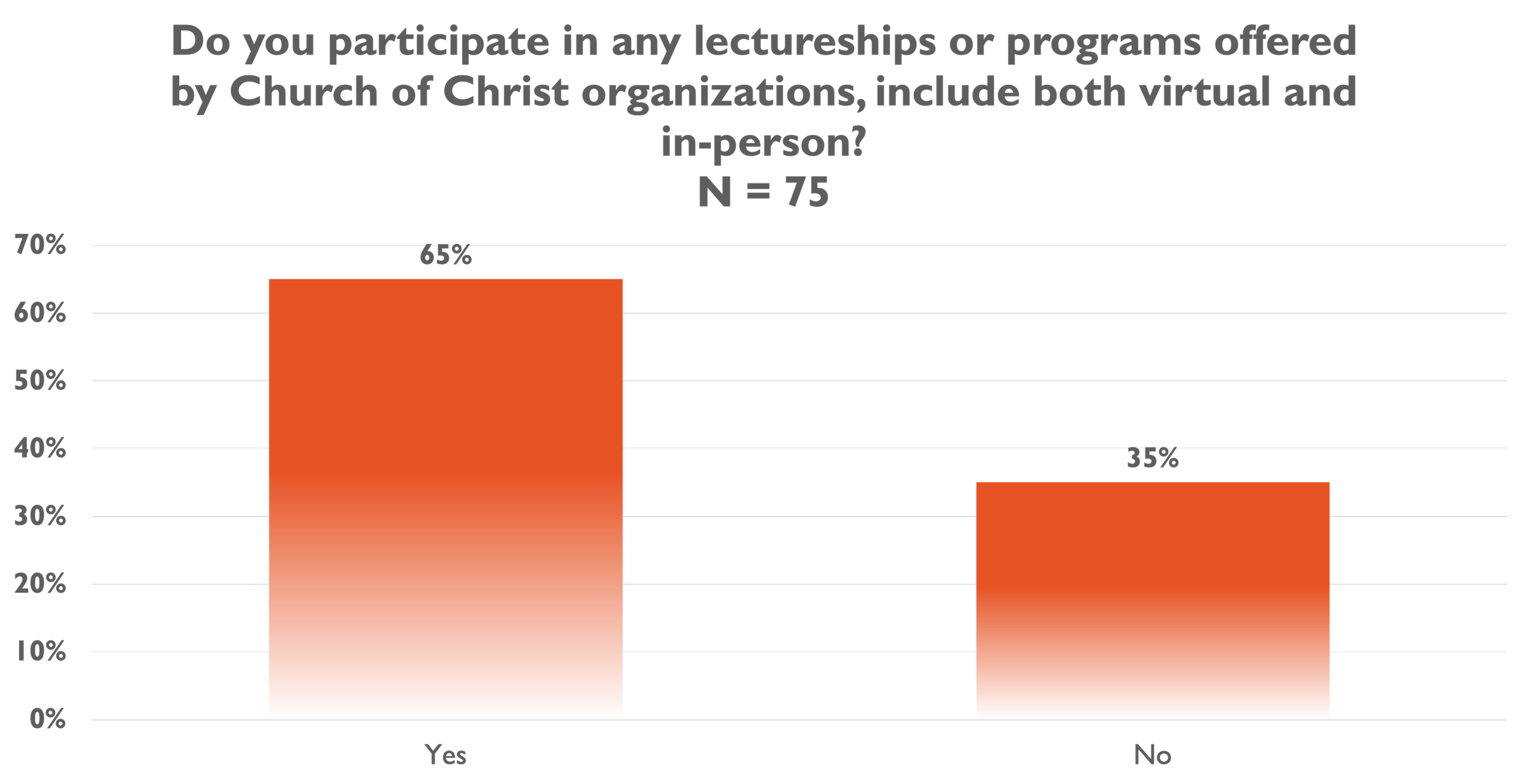
Figure 38: Attend Lectures
We asked an open-ended question about the biggest struggles ministers face as leaders, which they described in the Figure 39. The table shows the number of mentions for each item in the Min responses received. We find that the top concern is time capacity and burnout, with 30 mentions, followed closely by member apathy and engagement. We also find that ministers struggle with evangelism and outreach; leadership and elder dynamics; congregational decline and an aging congregation; experiencing isolation and loneliness; and, lastly, cultural and political tensions.
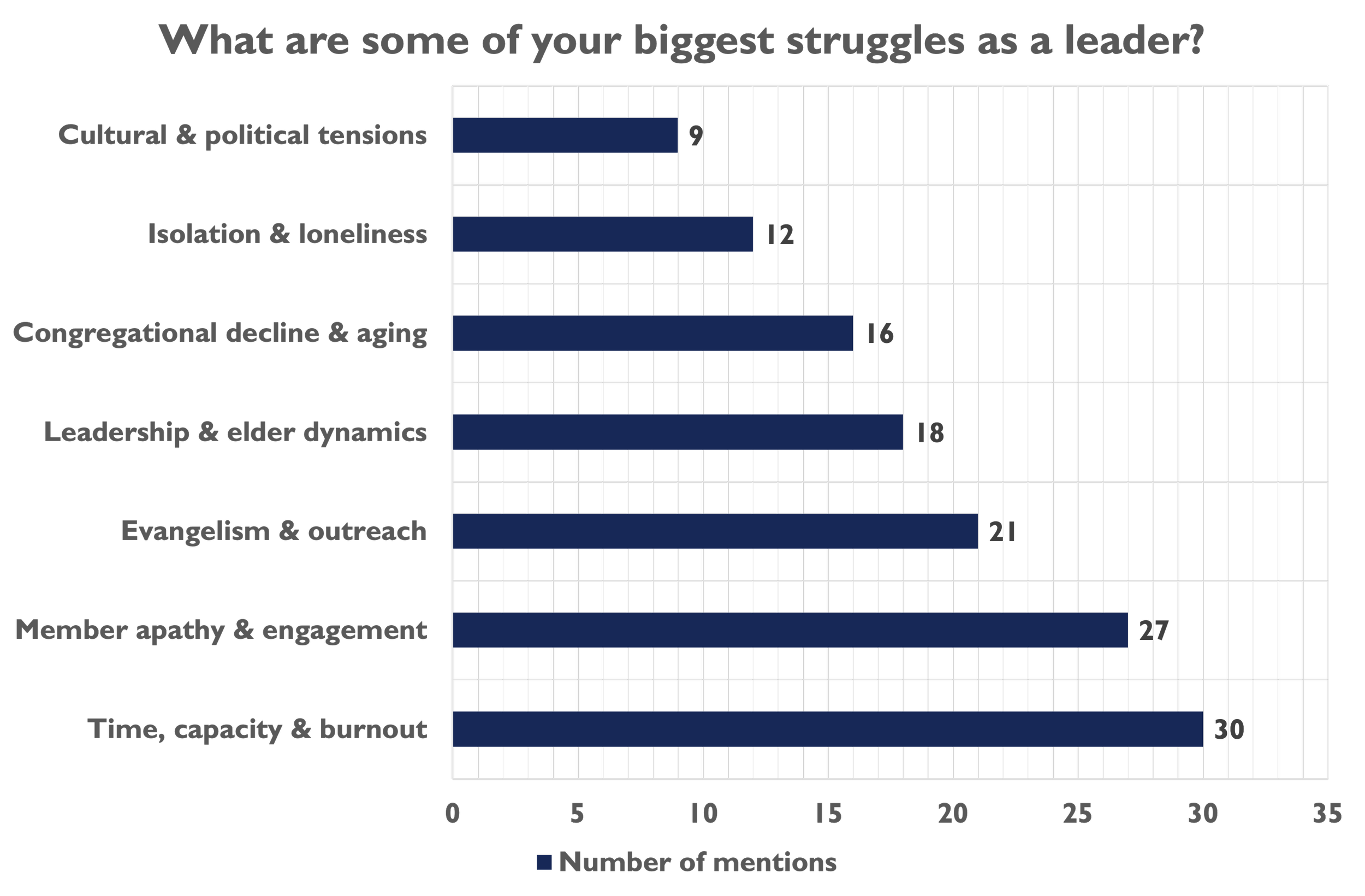
Figure 38: Biggest Struggles as a Leader
With churches more likely to have experienced decline than growth over the last decade, we asked whether your church had ever considered merging with another church in your area. Responses were split 50-50. Yes, we would consider it; no, we would not (Figure 40).
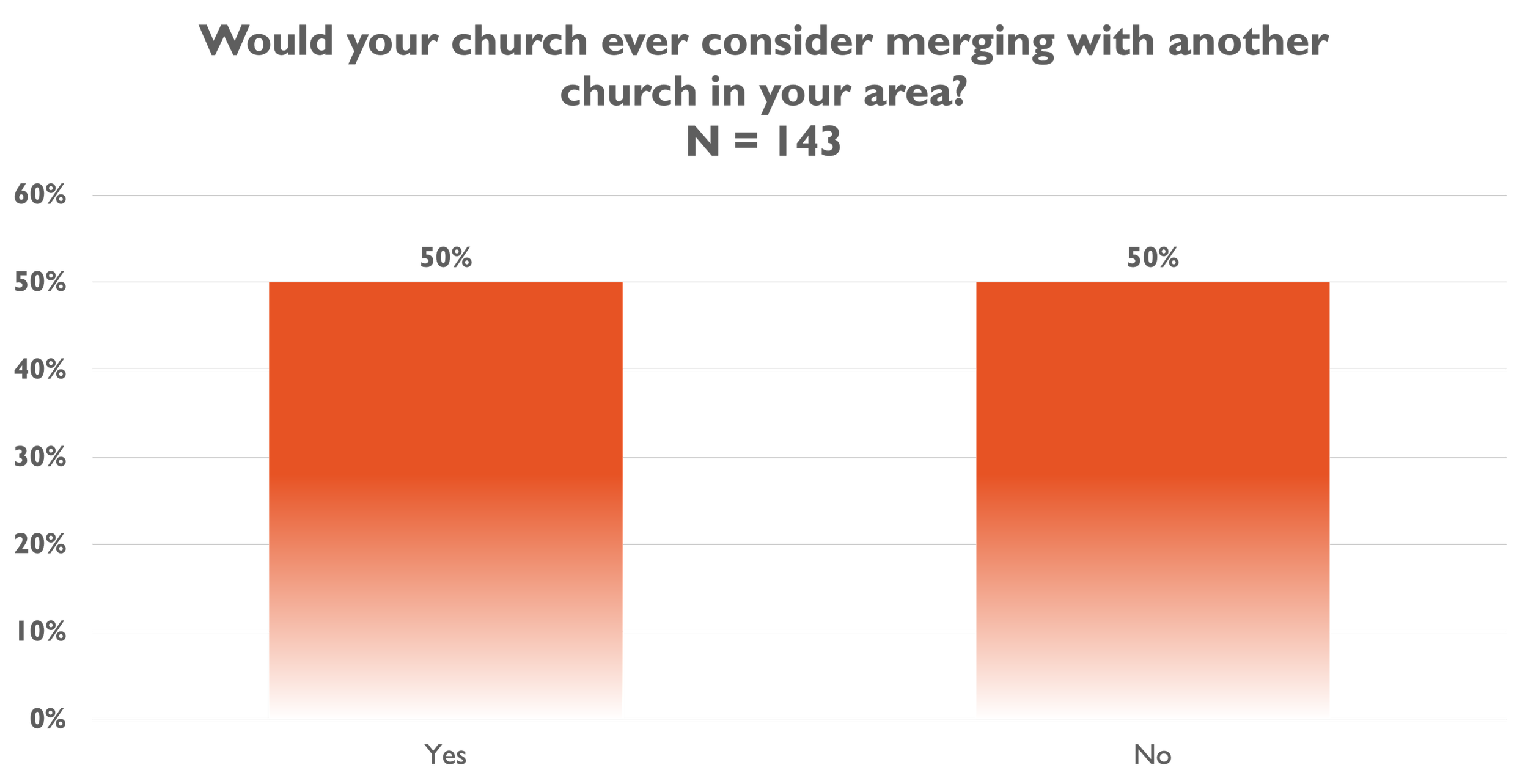
Figure 40: Willing to Merge
Our last question concerns the political tensions and their impact on the congregation. We asked how strongly respondents agreed or disagreed with the statement. Figure 41 shows how strongly respondents agree or disagree with the statement, “The political climate over the last decade has affected our congregation.” 48% of respondents somewhat or strongly agreed, with 28% somewhat or strongly disagreed.
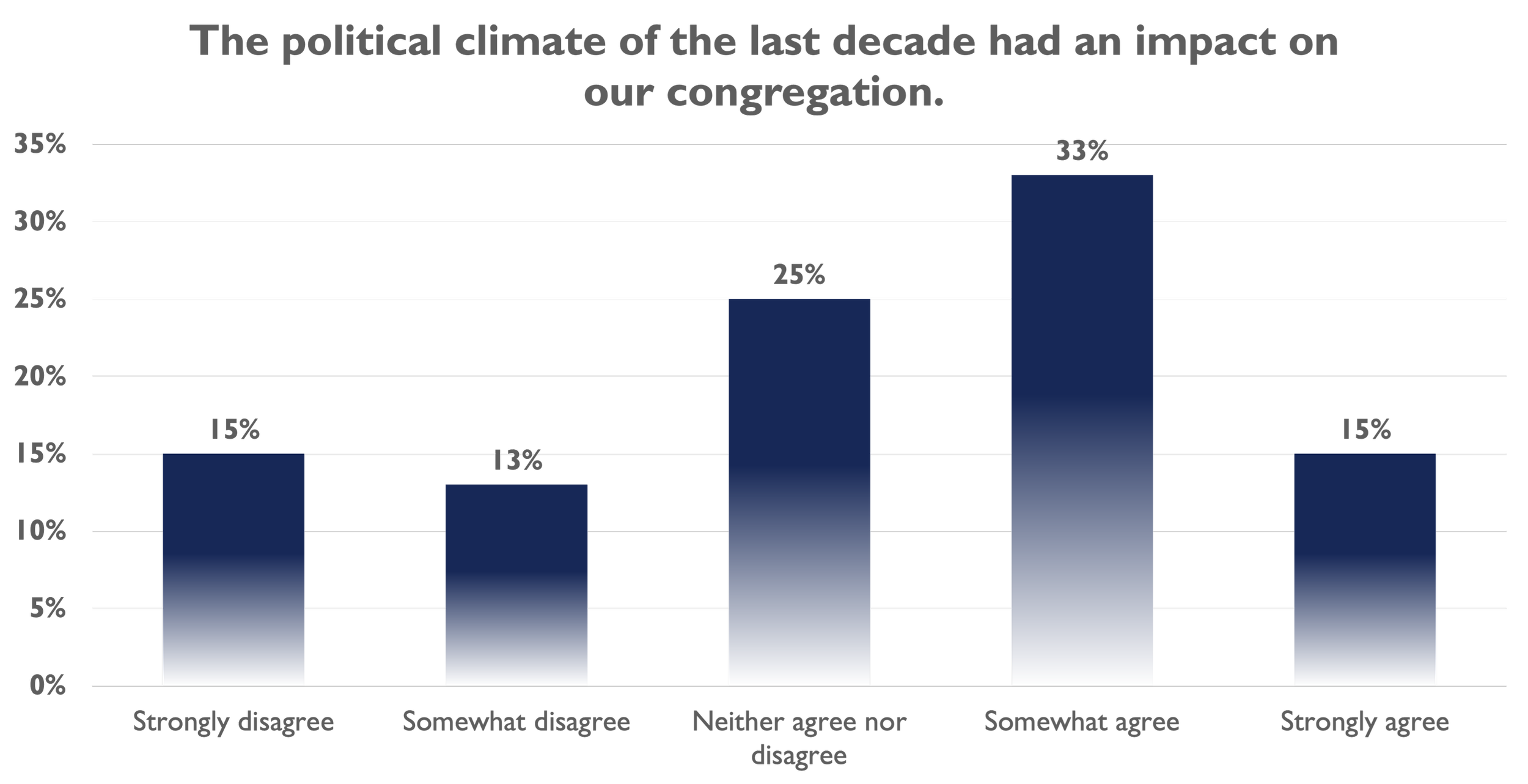
Figure 41: Political Climate Impact on Congregation
We learned a great deal from the survey of small-town and rural congregations, particularly about the kinds of programs Churches of Christ are engaged in, the depth of community involvement, and the realities of leadership and ministry, especially from the perspective of ministers. One thing a survey can’t really provide is much depth in the responses or nuance in how people answered their questions. I’m sure even you can think of possible reasons why someone may have answered the way that they did that might be a little bit different than what our assumptions might say. Because of this, the next phase of research conducted through the Empower and Equip initiative will be interviewing church leaders, staff members, and members from rural and small-town Churches of Christ across the United States. This will be done in partnership with our partners in Tennessee, Montana, Arkansas, Texas, Oregon, Idaho, and Oklahoma to identify and interview leaders, members, and staff from small-town Churches of Christ.
The insights we gain from the survey and subsequent interviews will help our teams develop resources that address the real concerns of rural and small-town churches.